Polyamide and elastane are found in almost every sock and pair of tights. There is only a little of them in a sock, but they are the reason it lasts, stays on your foot and keeps its shape.
What is polyamide?
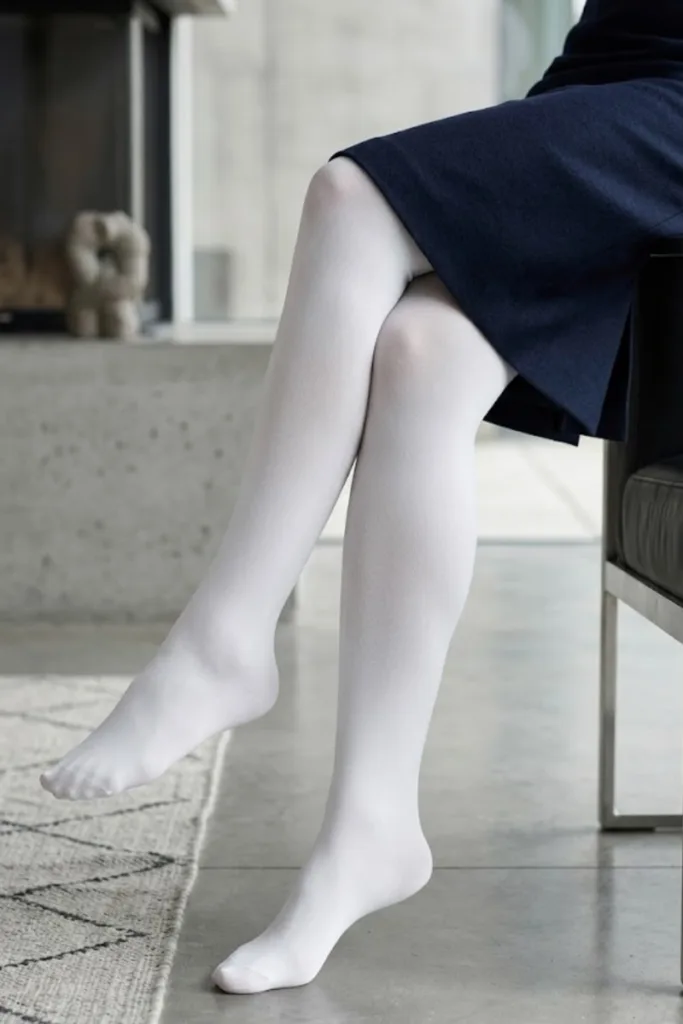
Polyamide, or nylon, is a strong and light synthetic fibre. It resists abrasion, dries quickly and keeps its shape. In socks, polyamide reinforces the heel and toe, where wear is greatest. In tights, polyamide is the main material – it gives them their smoothness and subtle sheen.
What is elastane?
Elastane, also known as spandex or by the brand name Lycra, is an extremely stretchy fibre that can stretch to several times its length and then spring back. Just 2–5% elastane is enough for a sock to fit feet of different shapes well and not slip down.
Why not 100% natural?
The natural fibre gives a sock its comfort – warmth, softness or coolness. Polyamide and elastane give it durability and fit. Without them the sock might be “purer”, but it would wear out faster, stretch and slouch. That’s why a good sock is almost always a blend.
What does DEN mean on tights?
DEN indicates the fineness of the yarn: the lower the number, the thinner and more transparent the tights.
- 8–20 DEN – very thin and sheer, for summer and special occasions.
- 30–40 DEN – semi-sheer everyday tights.
- 50–60 DEN – almost opaque.
- 80 DEN and above – opaque and warmer, for autumn and winter.
See the full range: 8–30 DEN tights · 40–60 DEN tights · all women’s tights
A little history
Nylon was invented by American chemist Wallace Carothers in the DuPont laboratory in 1935. When nylon stockings went on sale in the USA in 1940, long queues formed outside shops. During World War II nylon was diverted to making parachutes and tents, and stockings became scarce. Elastane was also developed at DuPont, by chemist Joseph Shivers, in the late 1950s.
Tips and tricks
- Heat is elastane’s worst enemy. Wash at up to 40 °C and don’t dry on a radiator or in a tumble dryer – otherwise the sock loses its stretch.
- Wash tights in a laundry bag or by hand in lukewarm water.
- Roll tights down to the toe before putting them on and pull them up carefully. Take off rings and make sure your nails aren’t sharp.
- If your feet sweat, choose a sock where the main material is merino or viscose and polyamide is only used for reinforcement.
Our tights
-

Trasparenze STORM two-tone yellow tights
15,90 € Add to cart This product has multiple variants. The options may be chosen on the product page -
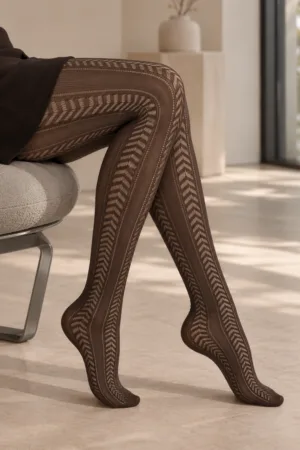
Trasparenze SHOWER dark brown fishnet tights
15,90 € Add to cart This product has multiple variants. The options may be chosen on the product page -

Pierre Mantoux FUMIE beige polka-dot tights
18,90 € Add to cart This product has multiple variants. The options may be chosen on the product page -

MERLYN black 200 DEN tights
10,90 € Add to cart This product has multiple variants. The options may be chosen on the product page -
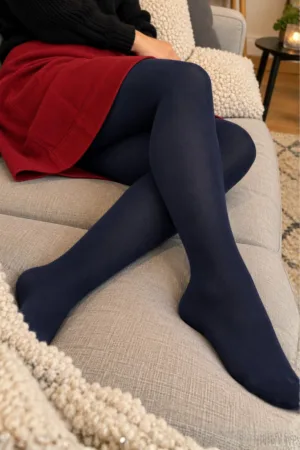
Pierre Mantoux PASSION 60 DEN dark blue tights
15,90 € Add to cart This product has multiple variants. The options may be chosen on the product page -
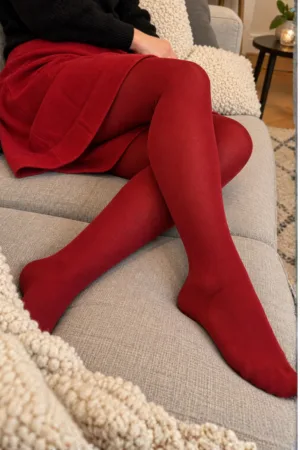
Pierre Mantoux PASSION 60 DEN red tights
15,90 € Add to cart This product has multiple variants. The options may be chosen on the product page -
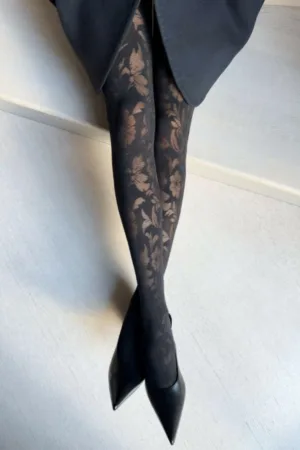
BELLADONNA black floral-patterned tights
14,90 € Add to cart This product has multiple variants. The options may be chosen on the product page -
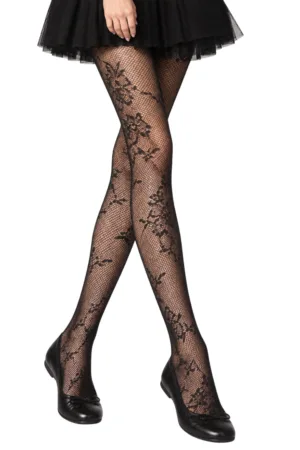
LACE black tights with a lace pattern
14,90 € Add to cart This product has multiple variants. The options may be chosen on the product page
Frequently asked questions
Is polyamide the same as nylon?
Yes, nylon is the best-known name for polyamide. Both refer to the same family of fibres.
How much elastane should a sock contain?
Usually 2–5%. Tights and compression socks, which need to support the leg more firmly, contain more.
Why do socks and tights lose their stretch?
Most often because of heat: too hot a wash, a tumble dryer or a radiator damages elastane. Wash at up to 40 °C and hang to dry.
Other materials
Merino wool · Viscose and bamboo · Cotton · Alpaca and angora · Cashmere
← All materials and comparison


