Free shipping to parcel machines from 40 EUR Customer service Mon-Fri 9-19, Sat 10-18, Sun 10-17 | tel. 5551 0994 Discount coupon when you join our newsletter
EN ET RU

Category: Sokisahtel stories

  • 3 brands you did not know were Estonian

    3 brands you did not know were Estonian

    Estonia is small. So small that when someone makes something genuinely good, we usually hear about it before the shop even opens its doors. But sometimes it goes the other way round: a few Estonian brands grow big and end up on Amazon and in gift baskets abroad, while we here still assume the thing must be Italian or American.

    A name is a sly little thing. We are Sokisahtel, and our name leaves absolutely no doubt about where we come from. Not every brand makes that choice, and honestly it is completely understandable when the plan is to go global from day one.

    Estonian brands that do not sound Estonian at all

    Here are three brands that most people would never guess are Estonian. All three are made by people right here.

    1. DODICI Organic, Estonia’s first zodiac based skincare

    DODICI Organic Leo face and body oil with its white gift box

    The name sounds like something born in a boutique in central Milan. “Dodici” means twelve in Italian. Twelve is exactly the number this brand is built on: twelve zodiac signs, twelve different body oils.

    In reality DODICI Organic is an Estonian brand created by two women who combined a love of natural skincare with a love of astrology. The result is Estonia’s first zodiac based beauty brand.

    The idea is simple and surprisingly compelling: every star sign gets its own body oil with its own essential oils, plus a rock crystal gua sha tool and a lucky crystal for the sign. The formula is organic, free of artificial additives, and the oil absorbs quickly.

    DODICI Organic Aries body oil in warm light

    Do star signs really determine what your skin needs? No idea. But as a gift it is one of those things that actually makes a person say “ohhh”, and that does not happen all that often. If you like the idea, our zodiac socks gift guide works on exactly the same logic.

    DODICI Organic Scorpio body oil held in a hand

    Where to find it: dodiciorganic.com, Tallinn Design House and several Estonian design shops.

    2. Salt’sUp, the first gourmet salt shop in the Baltics
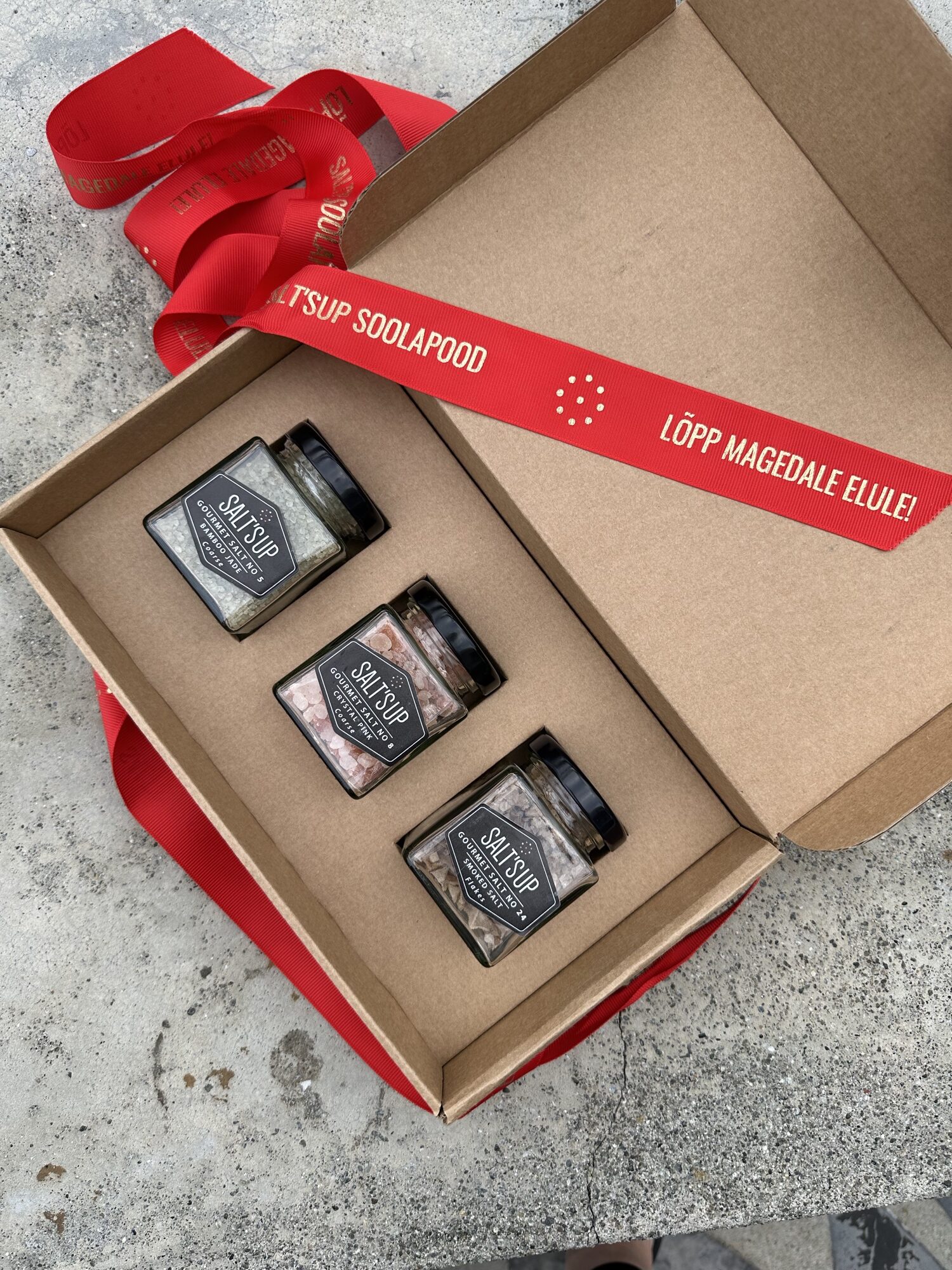
    Salt’sUp gift box with three gourmet salts and a red ribbon

    “Salt’sUp” sounds like a Brooklyn hipster shop. Everything fits: the spelling, the apostrophe, that faint little joke inside the name.

    But Salt’sUp belongs to Tallinn. The brand started in 2015 as a university project. A classic “let us make something and see what happens” story that began as an ordinary online shop. In the summer of 2020 a physical shop opened on a small street in Tallinn old town, the first salt and spice shop in the entire Baltics.

    The range holds more than 60 gourmet salts and peppers gathered from different regions around the world. Fine salts, coarse salts, flakes, grinders. In the shop you can actually taste them. It feels odd for a second and then completely logical.
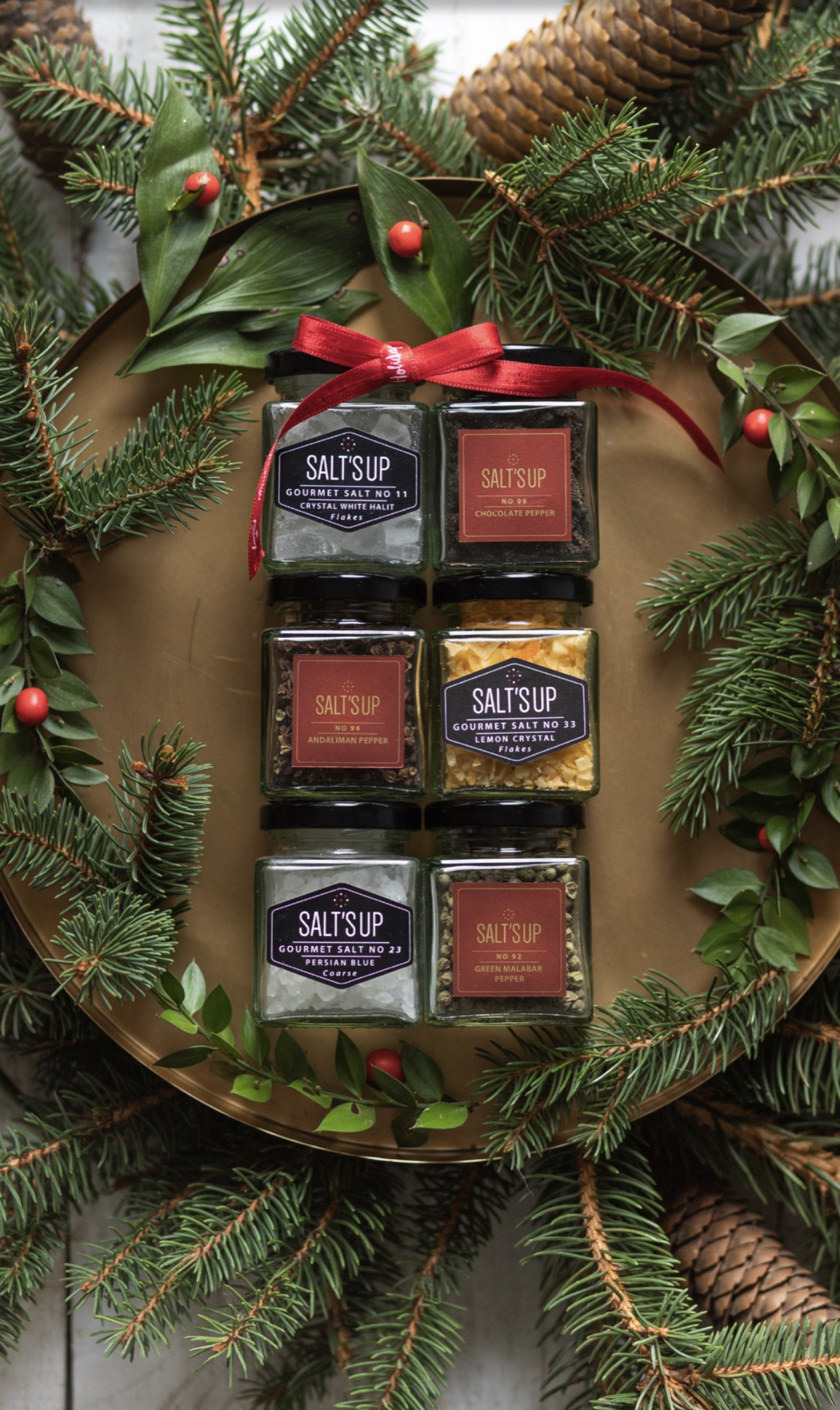
    Six Salt’sUp gourmet salt jars on a brass tray among spruce branches

    And if that were not enough, they also run a salt cafe in Kalamaja where the cheesecakes and breads are built around those same salts.

    If you are looking for a gift for someone who “does not want anything”, the person who does not want anything usually still wants good salt. Same principle as our guide to socks as gifts.
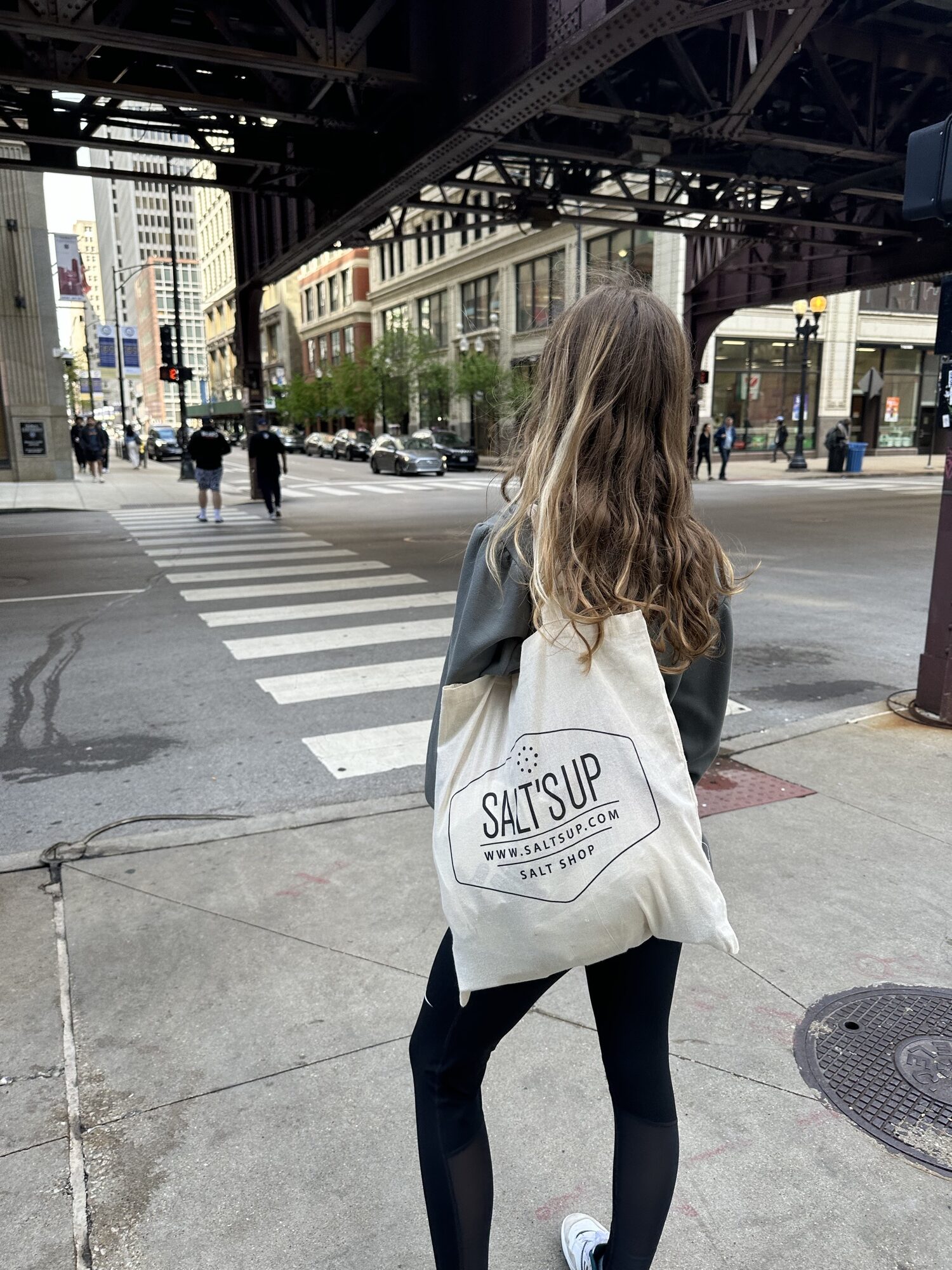
    Salt’sUp tote bag on a big city street

    Where to find it: saltsup.com, the shop in Tallinn old town, the cafe in Kalamaja.

    3. FairTale GHANA, shea butter with an Estonian behind it
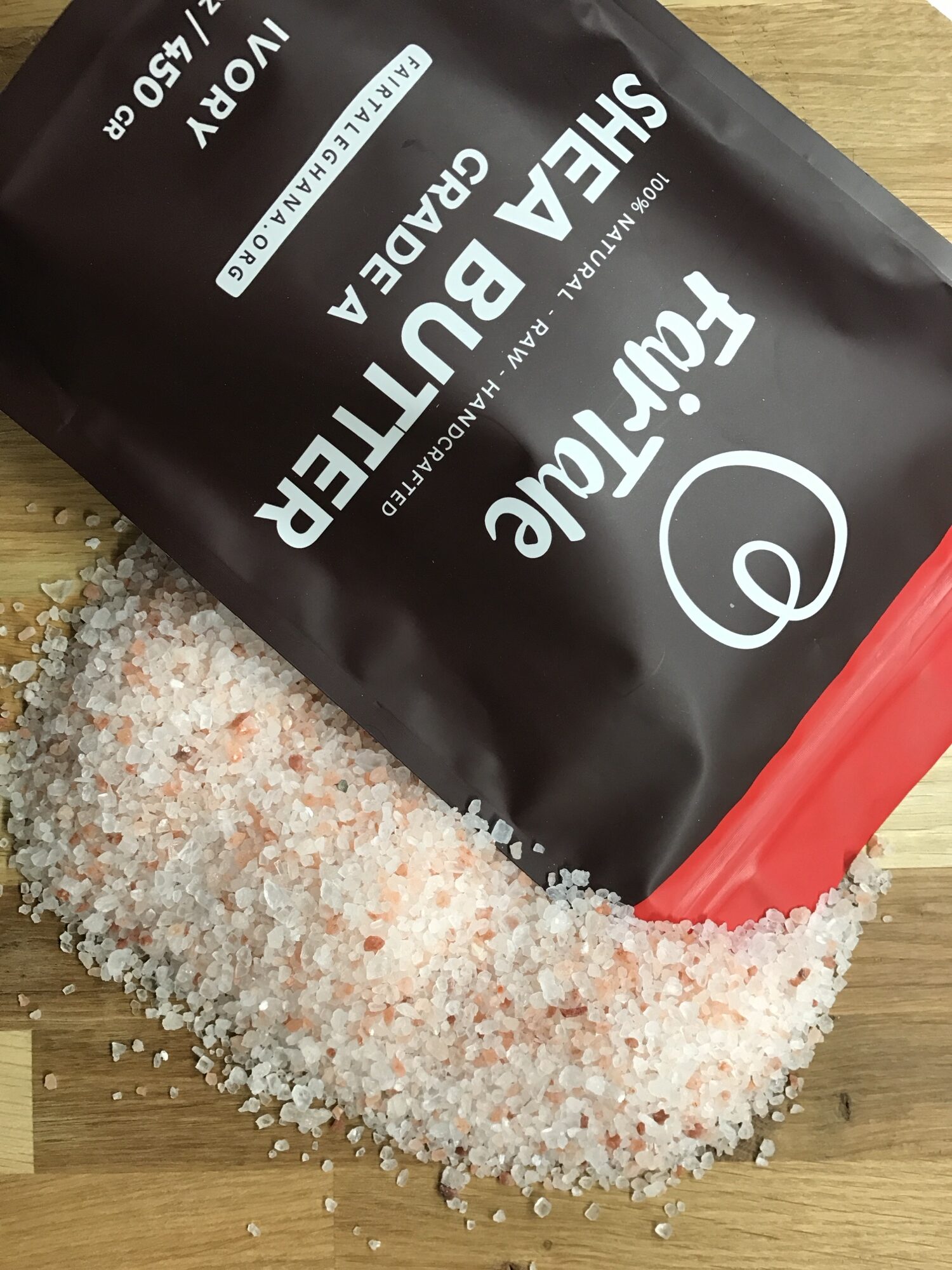
    FairTale Ghana raw unrefined shea butter 450 g pouch

    This is the most complicated of the three stories and also the most beautiful. It shows that Estonian brands do not have to be manufactured in Estonia at all.

    FairTale GHANA sells raw, unrefined shea butter and cold pressed baobab oil. The product itself is as Ghanaian as it gets: the shea butter is made by hand by women in northern Ghana, using a traditional method passed down through generations. No chemistry, no refining.

    FairTale Ghana shea butter and baobab oil in a desert landscape

    Behind the brand, though, is an Estonian woman whose goal was refreshingly blunt: build a company that does good and is genuinely successful at the same time. The main partner is the Estonian NGO Mondo, which has run education projects in Ghana for years.

    An honest note: the company itself is registered in New York and the products are made in Ghana. So strictly speaking this is not an “Estonian product”. But the idea, the driving force and the partner organisation are all Estonian. This is exactly where the question “what makes a brand Estonian?” gets genuinely interesting.
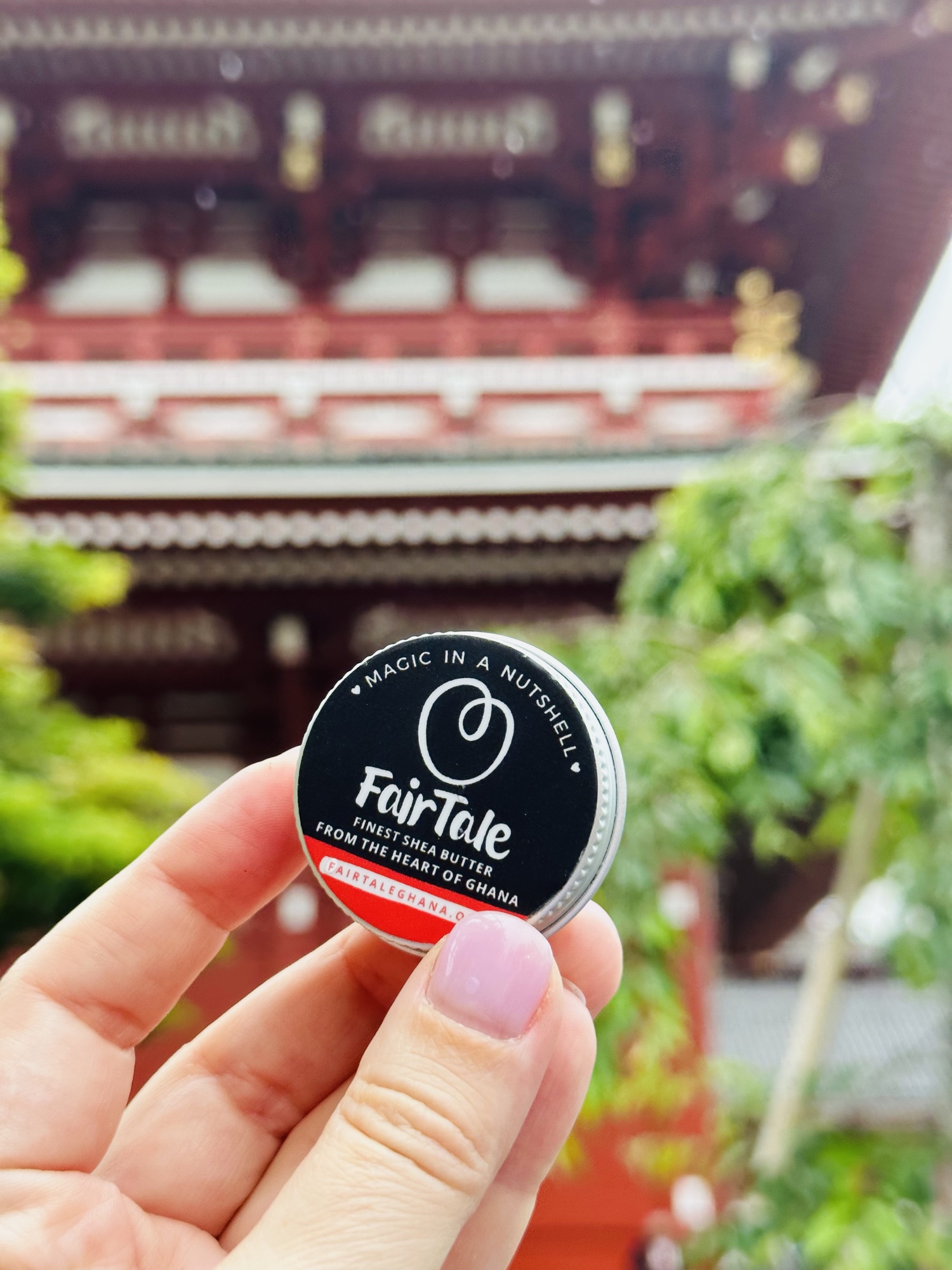
    FairTale Ghana shea butter tin in front of a Japanese temple

    Shea butter, by the way, is one of those things that solves half your problems in winter: dry skin, cracked heels, an unhappy scalp. Greasy, yes. But it works.

    Mother and baby holding a tin of FairTale Ghana shea butter

    Where to find it: fairtaleghana.shop and Amazon.

    So what actually makes a brand Estonian?

    Look at these three side by side and the answer is less obvious than it first seems.

    DODICI is made by Estonians and sold here, but carries an Italian name. Salt’sUp imports its salt from all over the world, yet the person standing in the shop in Tallinn is Estonian. FairTale GHANA products are made in Ghana and the company is registered in America, but the engine behind the whole thing is Estonian.

    We think the answer is simpler than it looks: Estonian brands are the ones whose decisions are made here. Where someone right here works out what the thing should look like, how it should taste and who it is for.

    Sokisahtel took the easy road with its name. We never tried to sound like anyone else. Sokisahtel is a sock drawer, and in ten years we have not once wished we had done it differently.

    So next time you see a brand in a shop whose name sounds like it came from far away, take a look at the manufacturer. Estonian brands are often much closer than they seem.

    How to check whether a brand is Estonian

    Once you start playing this game it gets addictive fast. Four easy ways:

    1. Look at the company name in the shop footer. It almost always says OÜ or AS. That is half the answer already.
    2. Find the phone number on the contact page. +372 is quite hard to misread.
    3. Search the company name in the Estonian business register. It is free and shows the founders, the location and the founding year.
    4. Read the Instagram comments. If half of them are in Estonian, you know.

    And then there is the category where the name is so Estonian that the question never comes up. That is where we sit.


    Looking for a gift whose origin needs no explaining? Not every Estonian brand hides behind a foreign name. Have a look at our Estonia collection or the Wear Art collection, where Estonian art is something you can wear every day.

    Read also

  • Art Socks – Wear Estonian Art On Your Feet Every Day

    Art Socks – Wear Estonian Art On Your Feet Every Day

    Art socks are one of the strongest fashion trends of 2026: socks are no longer just a clothing item, but a small canvas that carries a story, style, and self-expression. Around the world, people are wearing socks featuring abstract art, pop culture, and classic paintings – and now you can wear Estonian art on your feet too!

    Sokisahtel’s new “Wear Art!” collection brings four great figures of Estonian art to your feet: Eduard Wiiralt, Kristjan Raud, Konrad Mägi, and Oskar Kallis. These are not ordinary patterned socks – they are art socks featuring real masterpieces.

    Fashion magazines and trend reports confirm it: in 2026, socks have become a form of self-expression. Socks are no longer hidden under trouser legs – they are shown off, talked about, and used to make a statement.

    Art socks are popular for several reasons. First, they are an easy way to add personality to your everyday outfit. You don’t need to change your whole wardrobe. One pair of art socks is enough to make an ordinary outfit feel special.

    Second, they are a great conversation starter. When someone notices Eduard Wiiralt’s graphic art or Kristjan Raud’s Kalevipoeg illustration on your socks, there is instantly something to talk about.

    Third, art socks make a meaningful gift – much more personal and original than a regular gift card.

    Person wearing dark cuffed pants, gray sneakers, and illustrated socks featuring a camel and figures, standing in a gallery with a framed painting in the background.
    Berber Girl with a Camel (1940)

    Internationally, the trend has moved toward abstract art, pop culture, and classic motifs. But why wear art from someone else’s culture when you can wear your own?

    Estonian art socks on your feet and the “Wear Art!??? collection

    Four small white boxes with black illustrated labels and ribbon loops sit on a white table, with art prints and tools on a wooden workbench against a brick wall in the background.

    Sokisahtel’s “Wear Art!” collection is unique because it doesn’t use random graphics, but real works by classic Estonian artists. The collection includes eight different art socks featuring the work of four artists.

    What makes these art socks special is that you’re not just wearing a beautiful pattern – you’re wearing Estonian cultural history.

    Each pair tells its own story and connects you to Estonia’s artistic heritage in a way no ordinary sock ever could.

    Eduard Wiiralt, a world-renowned master of graphic art

    Eduard Wiiralt (1898-1954) is one of Estonia’s most internationally renowned artists. His graphic works are represented in leading museums around the world, including the Kumu Art Museum, and his detailed, expressive works continue to fascinate people to this day. Wiiralt is a master whose art combines reality and fantasy, fine drawing and powerful expression.

    In the “Wear Art!” collection, Wiiralt is represented by four works that showcase different sides of his art.

    Wiiralt’s art socks are monochromatic and graphic, making them perfect for both the office and cultural events. If you love art that is striking and detailed, these are the right choice.

    Person wearing black Chelsea boots, dark cuffed pants, and cream socks illustrated with portrait-style faces, standing in an art gallery with framed paintings in the background.
    Virve (1943)

    Kristjan Raud, or Kalevipoeg and national romanticism

    Kristjan Raud (1865-1943) is one of the founders of Estonian national art. His best-known works are connected to the illustrations of the national epic Kalevipoeg – powerful, mythical images that have become an inseparable part of Estonia’s visual identity. Everyone has read or heard about Kalevipoeg.

    Raud’s work combines folklore and modernism in a way that still speaks to people today.

    The collection features two works by Raud:

    Person seated in a gallery wearing beige pants and orange art-print socks with dark toe accents, with blurred museum visitors and framed artwork in the background.
    Song of Kalevipoeg (1941)
    Person seated in a gallery wearing beige pants and orange art-print socks with dark toe accents, with blurred museum visitors and framed artwork in the background.
    Alone

    These art socks are for those who know Estonian culture and want to wear it. Kalevipoeg on your feet is a statement that needs no explanation.

    Konrad Mägi and Oskar Kallis, the masters of color

    Konrad Mägi (1878-1925) is one of the brightest names in Estonian painting. His landscape paintings are known for their intense colors and expressive brushwork.

    Mägi was able to depict Estonian nature in a way that feels both familiar and surprising. His works make you see your homeland with fresh eyes.

    Socks featuring Konrad Mägi’s work Landscape (1915-1916). The original painting is an oil landscape created during the period when Mägi was working intensively in Southern Estonia. This work reflects his distinctive expressive style, where bold color combinations and dynamic brushwork convey a strong emotional sense of nature.

    Person seated in an art gallery wearing charcoal pants and colorful art-print socks with burgundy toe and heel accents, with blurred sculptures and paintings in the background.
    Landscape (1915-1916)
    Person seated in an art gallery wearing cropped light jeans and colorful blue-and-orange art-print socks with gray toe and heel accents.
    Landscape with the Setting Sun (1915)

    Oskar Kallis (1892-1917) was a talent who died tragically young, leaving behind exceptionally vivid works despite his short life. His colorful pastels inspired by Kalevala mythology are gems of Estonian art. Kallis was a student of Ants Laikmaa, and his work is both magical and poetic.

    Socks featuring Oskar Kallis’s work Landscape with the Setting Sun (1915). The original work is a small-format landscape created with pastels on paper. It reflects the artist’s sensitive and romantic approach to nature, characteristic of Estonian national romanticism.

    Mägi’s and Kallis’s art socks are the most colorful in the collection. They bring warmth and liveliness to your outfit, setting them apart from Wiiralt’s more graphic works.

    Art socks as a gift

    If you’re looking for a gift that is original and meaningful, art socks are the perfect choice. Think about who they might suit.

    For an art lover: a friend who goes to every exhibition, is a regular at Kumu, and appreciates Estonian culture. Art socks were practically made for them.

    For a culture lover: Estonian art classics on your feet make a surprising and memorable gift for a foreigner who is a fan of Estonian culture. A unique and stylish souvenir.

    For someone who has everything: art socks are the kind of gift people might not think to buy for themselves, but everyone is happy to receive. Art socks are not something that immediately comes to mind, which makes them a special and fun surprise for the recipient.

    If you’d like even more ideas for socks with unique designs, take a look at our YOKAI by MiKU sock collection, inspired by Japanese mythology. It’s a sock series created by a young artist, combining culture and fashion.

    Small white box with a black-and-white illustrated label and ribbon loop, sitting on a worn artist’s worktable surrounded by ink jars, paint tubes, and prints.
    Small white box with a black-and-white illustrated face label and ribbon loop, displayed on an artist’s worktable surrounded by ink bottles, engraving tools, and prints.

    How to wear art socks?

    Art socks are made to be shown off. Here are our favorite ideas for wearing them in style.

    Tõmba need esile. Kanna kunstisokke koos lühikeste pükstega, tenniste või loaferitega, kus sokid jäävad nähtavale. Varjatud sokk on raisatud sokk, eriti kui sokil on kujutatud Wiiralti teost.

    Show them off. Wear art socks with shorts, sneakers, or loafers, where the socks stay visible. A hidden sock is a wasted sock, especially when it features a work by Wiiralt.

    Play with contrast. Black Wiiralt art socks go well with a minimalist outfit: a black, white, or gray wardrobe gets just the extra detail it needs to make the look special.

    Mägi’s and Kallis’s colorful socks, on the other hand, work well with neutral tones.

    Office and culture. Art socks are refined enough for the office too. You can wear them with dress shoes, and every time you cross your legs, a little art gallery peeks out.

    Art socks are a way to wear art every day – without having to hang anything on the wall. Sokisahtel’s “Wear Art!” collection brings four great names of Estonian art – Wiiralt, Raud, Mägi, and Kallis – into your sock drawer in a way that is cool, stylish, and meaningful.

    And this is only the beginning. Estonian art has so much to offer, and we believe the best works deserve to be worn, not just admired.

  • Folk Dance Tights and Knee-High Socks, and The 2026 Folk Dance Calendar

    Folk Dance Tights and Knee-High Socks, and The 2026 Folk Dance Calendar

    Hands up if you’ve ever spent half an hour before a performance desperately searching for where the white tights disappeared to. Or only discovered in the dressing room that one knee-high sock had mysteriously gone missing. If you’re nodding right now, you’re in the right place. This is your guide to the essentials, folk dance tights and knee-high socks.

    At Sokisahtel, we know that a folk dancer’s life doesn’t revolve around dance alone. It also revolves around the right folk dance tights and knee-high socks. But before we get to the products, let’s take a little tour through the fascinating world of Estonian folk dance.

    Folk dance tights and knee-high socks, lace tights in performance
    JESSI black over-the-knee socks

    How We Got Here: The History of Folk Dance

    Did you know that the roots of Estonian folk dance go back centuries? In the past, people danced at village celebrations, weddings, and seasonal festivals. Dance was simply a part of life. The polka was danced when the fieldwork was done, and people twirled when the bride was married off.

    Estonian folk dance is a centuries-old tradition. From village celebrations and weddings, an entire cultural heritage has grown – one that is still alive and thriving today.

    A dancer in white tights on stage
    KAISA white tights

    At the end of the 19th century, enthusiasts began writing these dances down, because someone realized that otherwise those beautiful steps would simply be lost. And then came Anna Raudkats (1886-1926) – the woman known as the mother of Estonian folk dance. She laid the foundation for everything we know today as folk dance. In 2026, the 140th anniversary of Anna Raudkats’s birth will be celebrated, and a whole range of exciting events will take place in her honor.

    And of course, the Song and Dance Celebration probably needs no introduction. It is such a major event that it is even included on UNESCO’s Intangible Cultural Heritage list. The last celebration took place in the summer of 2025, and the next one will be in 2030.

    What Exciting Things Will 2026 Bring?

    The folk dancers’ calendar is pretty packed this year. Make a note of these in your planner:

    Pärnu Gymnastics and Folk Dance Festival (August 13-16), This summer marks 150 years since the first Estonian gymnastics festival, so the Pärnu festival will be especially festive. Thousands of dancers, the sea nearby, summer warmth, what could be better?

    Võru Folk Dance Festival (July 2026), The Võru festival is always such a warm and enjoyable event, where you can both dance yourself and watch others. International groups will be there too!

    International Dance Day, This year, the Estonian Folk Dance and Folk Music Society invites everyone to dance the vengerka. If you haven’t tried the vengerka yet, now is the perfect time!

    New Dance Competition, In honor of Anna Raudkats, new dances are being sought to enrich the Estonian folk dance repertoire. Maybe it’s you who has a brilliant dance idea in mind?

    You can always find all events and updates on the ERRS website.

    2026 is full of folk dance events all across Estonia, from Song Celebrations to county dance festivals. Keep an eye on the calendar and be ready!

    Selection of folk dance tights and knee-high socks at Sokisahtel
    RIINA floral leggings

    Folk Dance Tights and Knee-High Socks, What to Wear?

    Now we’re getting to the point. When it comes to folk costumes, stockings and tights are actually just as important as the skirt or vest. Each region’s costume is paired with a specific color. And this is where things can sometimes get quite complicated!

    The Estonian National Museum’s blog explains very clearly that red stockings are historically best suited to the costumes of Hiiumaa, Western Saaremaa, and some parishes of Läänemaa. Northern Estonian folk costumes, however, are traditionally paired with white stockings. So before buying, it’s always worth checking what your region’s tradition calls for.

    But one thing is certain: no matter what color the stockings are, they have to be comfortable. If you’ve ever spent a three-hour rehearsal sweating in tights made from poor-quality material, then you know exactly what we mean. Cotton is a dancer’s best friend. Your legs can breathe, and even after ten dances, you still feel human.

    What makes good folk dance tights and knee-high socks special? Material, durability, and comfort, those three things matter most on stage.

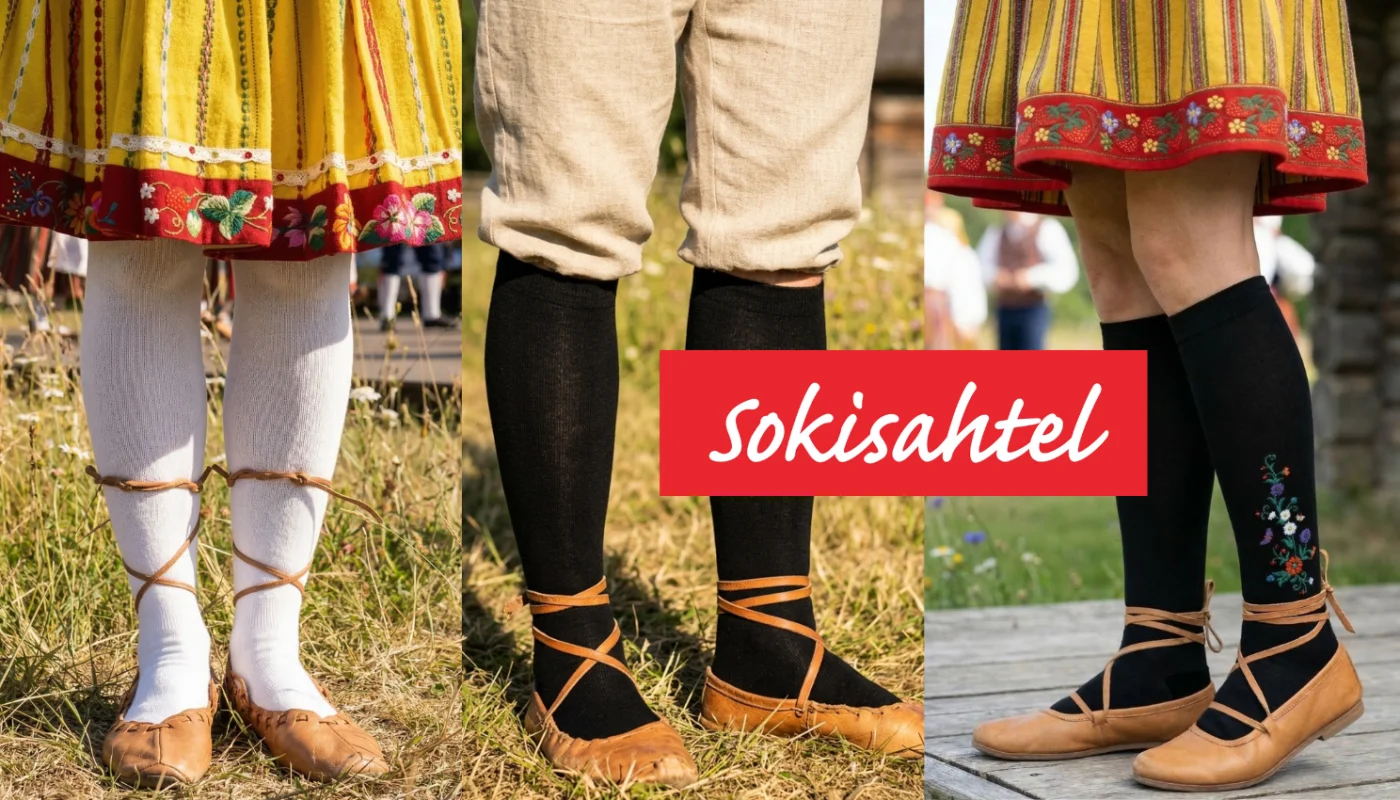
    White knee-high socks for folk costumes
    Over-the-knee socks are an important part of folk dance attire

    The Best Folk Dance Tights and Knee-High Socks for Folk Dancers

    Over the years, we’ve supplied quite a large number of dance groups and know exactly what folk dancers look for. Here are the products our customers buy from us most often:

    Knee-high socks are an essential part of many regional folk costumes. We offer them in white, red, and black.

    Jessi knee-high socks are one of our bestsellers among folk dancers. A comfortable and durable choice for every performance. And they’re just the right length to go over the knee even for the tallest dancer!

    Folk dance tights and knee-high socks, Jessi model

    Ecocare red tights are a reliable choice when you’re looking for that exact shade of red to match your folk costume. Before every Song and Dance Celebration, we order a large batch into stock – but time and again, they sell out even before the festival begins! It seems these tights are truly a favorite among dancers.

    Folk dance tights and knee-high socks, Ecocare red

    Mirjam knee-high socks are elegant and comfortable. Their distinctive floral pattern makes them stand out from the rest. A favorite model among dancers for years – especially for training days!

    Mirjam knee-high socks lifestyle photo

    Kriss white knee-high socks are a classic choice for a folk dancer. Soft material and comfortable to wear all day long. But if you happen to be dancing on grass, it’s worth bringing a spare pair to the performance just in case. Sometimes slips or falls can happen during rehearsal, and then you may end up in the awkward situation where your lovely white knee-high socks are decorated with green grass stains.

    Folk dance tights and knee-high socks, Kriss white knee-high socks

    Kriss black knee-high socks are suitable both for performances and everyday wear. Universal and elegant. They go well with all folk costumes. You can find them in children’s, women’s, and men’s sizes.

    Kriss black knee-high socks Sokisahtel

    A Few Good Tips

    Cotton is king. When choosing folk dance tights and knee-high socks, always check the material. A dancer’s feet sweat – that’s a fact, not something to be embarrassed about. Cotton tights and knee-high socks let the feet breathe, so after rehearsal you won’t feel like you’ve just come out of a sauna.

    Don’t get stuck with the wrong size. Tights that are too small restrict movement (try turning in a foot circle when your tights are squeezing you – not recommended). Tights that are too big, on the other hand, wrinkle and bunch up. Check our size chart and choose the right size.

    Ask your instructor. Before buying, check with your dance group instructor which color stockings go with your region’s folk costume. White, red, and black are the most common, but every region has its own rules.

    Always keep a spare pair close at hand. Murphy’s law says that tights will tear at the worst possible moment. A smart dancer always keeps an extra pair in the closet, especially before a performance!

    Dance, Enjoy, and Don’t Worry About Your Stockings

    Estonian folk dance is something truly special. It connects us to our roots, our community, and our culture in a way that hardly any other hobby can. Whether you’re heading for the big stage at the 2026 Pärnu festival or the cozy hall of your local cultural center, the most important thing is that you dance. And that your feet feel good.

    At Sokisahtel, you’ll find everything a folk dancer’s feet need. High-quality cotton tights and knee-high socks in every color and size.

  • The Cutest Matcha Socks: Love You Very Matcha

    The Cutest Matcha Socks: Love You Very Matcha

    What is matcha, and why is it so trendy?

    Matcha has a funny way of becoming a personality trait. It starts innocently: a matcha latte instead of coffee. Then a tin of ceremonial-grade matcha appears in the kitchen. Next thing you know, you’re comparing bamboo whisks, debating water temperature, and keeping a “backup matcha”. And eventually you start buying matcha-related merch. For example, matcha socks!

    And at some point, the matcha obsession stops being limited to what’s in the cup. It becomes an aesthetic. A mood. A daily ritual. 

    The calm green color looks clean and modern but also rooted in tradition. The steady routine of whisking, sipping, and slowing down for a minute, like people used to do.

    That’s exactly why matcha ended up on socks.

    Not “inspired by matcha.” Not “sort of green.” Actual matcha socks,playful, a little cheeky, and unapologetically made for green tea lovers who want their outfit to match their favorite drink.

    What matcha is, why it’s different from regular green tea, what “ceremonial” really means, and why matcha gifts (including matcha socks) hit different. Also, exactly why we have created these socks for matcha lovers all over the world.

    Matcha aesthetics

    What is matcha, in plain English

    We get it – it’s hard to keep up with all the trends. So it’s more than normal to be googling ‘what is matcha’ these days. Matcha is Japanese green tea, but it plays by different rules.

    Most green tea involves steeping leaves in water and tossing the leaves afterward. Matcha is stone-ground green tea powder made from shade-grown tea leaves (typically tencha). Instead of steeping and discarding, the powder gets whisked into water or milk, meaning the whole leaf ends up in the drink.

    That’s the big difference, and it’s why matcha feels more intense: richer flavor, more body, and a color that looks like it belongs in a design museum.

    Classic instruments for a drink preparation

    Matcha tends to bring three things people notice right away:

    • A smooth, grassy, umami taste (good matcha tastes balanced, not bitter)
    • A steady, focused energy (many fans describe it as less jittery than coffee)
    • A ritual that slows things down (even a quick whisk still feels intentional)

    The culture is modern on Instagram, but the roots are old-school in the best way. Japanese tea tradition, careful preparation, and respect for the process. 

    Ceremonial grade matcha vs culinary grade matcha

    Matcha has categories, and the internet can make it sound like a secret club. It’s not that deep, but it matters. That’s why you’ll always hear a discussion about where to buy good matcha in this secret club.

    Ceremonial-grade matcha is generally made from higher-quality, younger leaves and is intended for drinking with water (traditional style). It’s typically brighter green, smoother, and less bitter.

    Culinary-grade matcha is often used for baking, smoothies, and cooking. It can be stronger, more bitter, and designed to hold its flavor when mixed with other ingredients.

    Some days are for a proper matcha bowl. Other days are for a matcha latte, a matcha pancake situation, or a matcha dessert that’s basically a green excuse to eat sugar.

    Either way, matcha is still matcha, and matcha fans tend to notice the difference fast.

    Cute and sassy matcha socks

    The matcha aesthetic is real (and it’s not just the color)

    “Matcha aesthetic” isn’t only about green. It’s the whole vibe: clean, calm, minimal, slightly playful, and quietly confident. It fits streetwear. It fits cozy home life. 

    That’s where matcha-inspired accessories come in. Things that let the obsession show without turning into a walking billboard.

    Matcha socks do exactly that. They’re low-effort, high-impact. The kind of detail that makes an outfit feel finished, even if everything else is basic. At Sokisahtel, we created ‘I love you so Matcha’ and ‘Matcha addict’ socks. 

    Matcha latte and original matcha socks on a table

    Why matcha socks are a surprisingly solid idea

    Socks are practical. People actually use them. They also happen to be one of the easiest ways to add personality without committing to a loud outfit.

    Matcha socks work especially well as:

    • Matcha lover gifts that aren’t boring
    • Stocking stuffers with a theme
    • Small “thinking of you” gifts for long-distance friends
    • Self-gifts for people who treat matcha like a daily ritual (guilty)

    We like the tradition of gifts that get used. It’s an old-school idea: give something fun, but useful. Socks win that argument every time.

    Why is matcha-drinking basically a lifestyle now

    The US matcha scene has exploded for a reason. Matcha fits modern life while pushing against it.

    It’s caffeinated, but it’s also a ritual. It looks good, but it’s also tied to tradition. It can be high-end and ceremonial, or casual and iced with oat milk on the go.

    Matcha also has a range across food culture in the United States:

    • Matcha latte
    • Iced matcha
    • Matcha boba
    • Matcha cookies, cakes, and ice cream
    • Matcha skincare and “matcha wellness” everything

    When something becomes that versatile, people start collecting it as an identity: favorite brands, favorite cafés, favorite matcha recipes, and yes, favorite matcha socks.

    How to style matcha socks without turning into a cartoon

    At Sokisahtel, we like the old reliable wardrobe rules: good basics, good fit, one fun detail.

    Matcha socks work with:

    • sneakers + jeans + a plain tee
    • loafers + cropped pants
    • lounge sets and slides (matcha at home energy)
    • neutral outfits where the socks do the talking

    The green pops without screaming. The matcha message sends a clear sign about your lifestyle. 

    Matcha socks are a good way to vibe with friends
    Me, You and Matcha Socks!

    Where matcha tradition meets modern everyday life

    Matcha has survived because it adapts without losing its roots.

    The tradition is still there: careful cultivation, careful grinding, careful preparation. The modern side is there too: lattes, cafés, trends, aesthetics, and a million matcha recipes.

    We like things that feel current but still respect how they’ve always been done. Matcha socks are Sokisahtel’s tiny tribute to that.

    Green tea drinks are beautiful

    A quick matcha ritual that actually works

    Matcha is dramatic. It demands a little technique.

    Here’s the simple version:

    1. Sift the matcha (yes, it matters).
    2. Add a small splash of warm water (not boiling,think hot bath, not volcano).
    3. Whisk in a “W” motion until it looks smooth and a little foamy.
    4. Add more water for traditional style, or add milk for a latte.

    That’s it. No ceremony required, but the ritual element still shows up, even when you’re rushing.

    And honestly, that ritual is part of why matcha has fans who won’t shut up about it. 

    Why matcha merch is bigger than “cute stuff”

    Matcha merch works because it signals taste without saying a word.

    A matcha person tends to care about details: the shade of green, the texture, the vibe. That attention carries over to clothes and accessories.

    It’s the same reason people collect specialty coffee gear, vinyl records, or old film cameras.

    Matcha isn’t just a drink. It’s a small daily tradition that feels a bit like self-respect.

    Matcha socks: what makes a good pair

    Not all socks are created equal, and matcha lovers usually have standards. (Same energy as “don’t you dare use boiling water.”)

    A good pair of matcha socks should be:

    • Comfortable enough for daily wear (not costume socks)
    • Clear print (if it’s matcha-themed, it should look like matcha)
    • Easy to style (works with neutrals, denim, sneakers)
    • Durable (no sad, stretched-out ankles after three washes)

    Matcha and color psychology: why that green feels so satisfying

    This is the weird part: matcha green is calming.

    It’s not neon. It’s not dull. It sits in that sweet spot that looks clean and fresh, but still grounded. It fits the whole “slow mornings, tidy countertop, fewer distractions” fantasy,even if real life is chaos.

    Me and you and matcha socks

    That’s also why matcha aesthetic content does so well: it visually communicates calm.

    When that green shows up on socks, it’s the same signal. Quiet, playful, and put together.

    Matcha socks for gifting: when they’re a perfect fit

    Fresh matcha latte and special matcha socks

    Matcha socks make sense for:

    • Birthdays (especially for the friend who brings matcha everywhere)
    • Holidays (small gift, strong personality)
    • Care packages (low weight, easy shipping, feels thoughtful)
    • Bridesmaid boxes (matcha + cozy accessories = win)
    • Work gifts (safe, not too personal, still fun)

    And if the recipient is the type who has a “matcha drawer” at home, you already know the socks won’t sit unused in the sockdrawer.

  • City Socks: Travel around the world with socks

    City Socks: Travel around the world with socks

    Have you already googled for the tenth time “things to do in London” or “the most exciting sights in Rome,” but still haven’t bought the tickets? Or maybe you’re scrolling TikTok for “things to do in New York” and dreaming of the day you’ll finally go?
    Our Sokisahtel City Socks collection was created for those exact moments when you’ve caught the travel bug but can’t jump on a plane just yet.

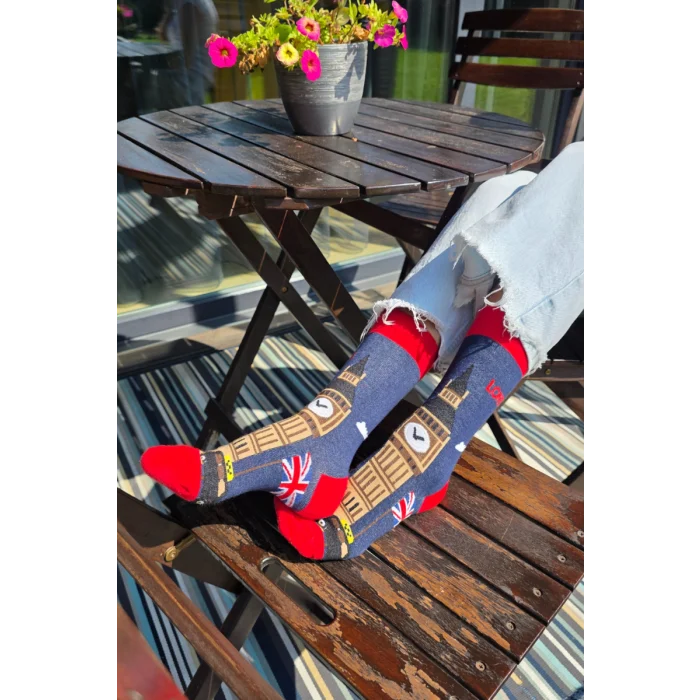
    Each pair of socks in this collection is inspired by a city. Slip on the Tokyo socks and you’ll feel like you’re standing for a moment in the middle of the crowd at Shibuya Crossing. Put on the London City Socks, and you’ll instantly think of Big Ben and a stroll along the Thames.

    Los Angeles city socks
    Los Angeles city socks
    London and its vibe

    London, a cup of tea and rainy weather go hand in hand

    There’s so much to do in London that even a week feels short. The classics: Big Ben, the London Eye, Tower Bridge, and the royal Buckingham Palace. But it’s also worth strolling through the colorful stalls of Camden Town or enjoying street art and river views along the South Bank. And don’t forget, many London museums, like the British Museum, are completely free.

    London City Socks bring that lively vibe to you even when you’re at home, sipping tea on a rainy day.

    New York, the city that never sleeps

    Just the name “New York” brings instant images: Times Square’s giant screens, TV shows filmed in Central Park, and of course the iconic Statue of Liberty welcoming everyone who arrives. Broadway adds extra sparkle, and the city’s nonstop buzz makes your heart beat faster. When someone asks about New York’s must-sees, there are more answers than you could experience in one trip. And New York is always a place to return to, there’s always something new and exciting to discover.

    New York City Socks help you carry that unstoppable energy with you, even on ordinary workdays at the office.

    New York shining at night
    New York shining at night
    Picture of Rome
    Rome and its ancient secrets

    Rome, the Eternal City and the world’s best pizza

    Rome is a place where history lives on every corner. The Colosseum takes you back to the days of gladiators, the Trevi Fountain invites you to toss in a coin, and the Spanish Steps are lively in every season. The Vatican Museums and St. Peter’s Basilica leave even the most seasoned travelers in awe. Rome’s sights are so iconic you could spend a whole week exploring them.

    Rome City Socks bring a touch of that ancient charm to you, even when you’re just cooking pasta for dinner at home.

    Venice, the magic of canals and gondolas

    Venice is a city where canals replace streets. A gondola ride along the Grand Canal is a true classic, the Rialto Bridge offers beautiful views, and St. Mark’s Square is always buzzing with life. When you think of Venice, it feels like the whole city is one big postcard.

    Venice City Socks remind you of that romance even when you’re simply relaxing at home on a cozy autumn evening with a glass of wine.

    Venice and its gondolas

    Iconic Venice views

    Amsterdam houses
    Amsterdam and its charming channels

    Amsterdam, canals and bicycles

    Amsterdam is a city where water and bikes greet you at every turn. The canal network makes exploring special, the Van Gogh Museum offers art for every taste, and stroopwafels make your mouth water. Cycling is a must here, it’s the best way to experience the city’s free-spirited, creative vibe.

    Amsterdam City Socks bring that mood to you, even if you’re just pedaling to the grocery store or the cinema.

    Tokyo, where the future meets tradition

    Tokyo is a city where you can visit the ancient Senso-ji Temple in the morning and stand in the middle of Shibuya Crossing with thousands of others at night. Tokyo Tower offers breathtaking city views, while Akihabara is a paradise of anime, tech, and neon lights. Tokyo’s attractions blend old and new into a unique harmony that makes the city unforgettable.

    Tokyo City Socks keep that contrast-filled energy with you even while you’re still booking flights to Japan.

    Tokyo street
    Tokyo and its lights
    Dubai and camels in sand
    Dubais icons – camels and skyscrapers

    Dubai, a desert city full of sparkle

    Dubai is a place where everything is bigger and more luxurious. Burj Khalifa rises into the sky with breathtaking views, Palm Jumeirah is unlike anywhere else, and you could spend an entire day at Dubai Mall without even planning to shop. Here, luxury meets Arabian culture, and every corner feels like a movie scene.

    Dubai City Socks bring a touch of that dazzling atmosphere to you, even if you’re trudging through snow instead of warm desert sand.

    Los Angeles, city of movies and sunny beaches

    Los Angeles is a city where looking down from the Hollywood Hills makes everything feel possible. The Walk of Fame is lined with stars, Santa Monica Beach is perfect for sunny walks and ocean waves, and Griffith Observatory offers stunning city views day and night. LA’s vibe is a mix of glamour and laid-back beach life.

    Los Angeles City Socks let you take that movie-like feeling with you, even when you’re just walking around your own neighborhood.

    Los Angeles sunset with palm trees
    Iconic Los Angeles sunsets
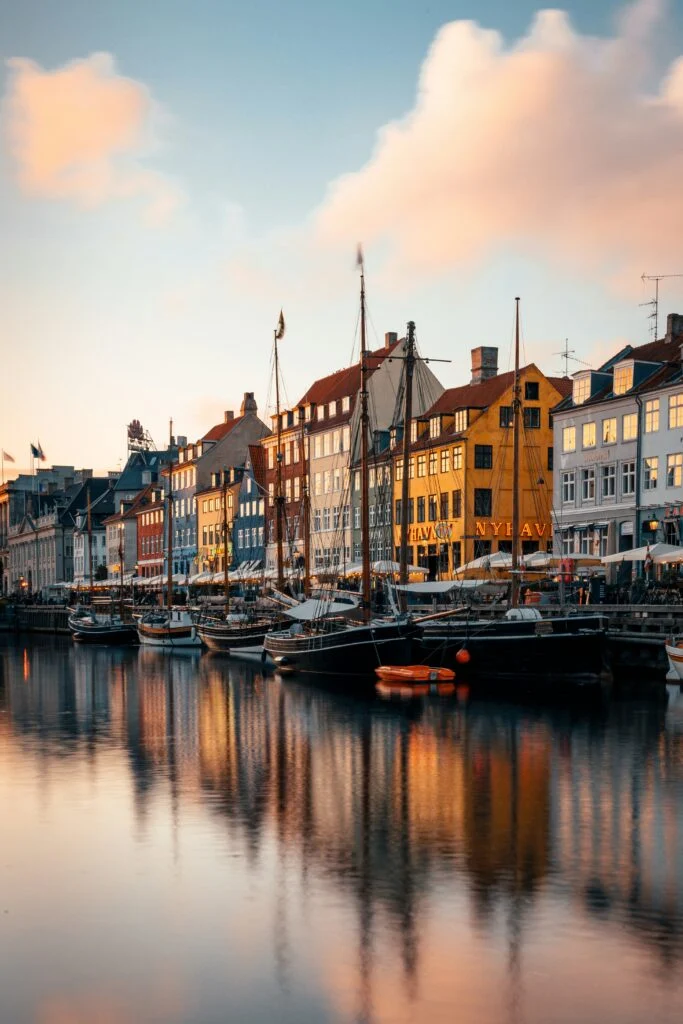
    Copenhagen colorful houses and boats
    Copenhagen’s colorful houses

    Copenhagen, a Nordic fairy tale

    Copenhagen is cozy and colorful. The Nyhavn harbor with its historic houses and cafés is perfect for a stroll. The Little Mermaid statue may be modest, but it’s a must-see for every visitor. Tivoli Gardens sparkle with lights and joy, making the city extra magical. Copenhagen’s attractions are as charming and special as a real Nordic fairy tale.

    Copenhagen City Socks bring that warm, adventurous feeling into everyday life.

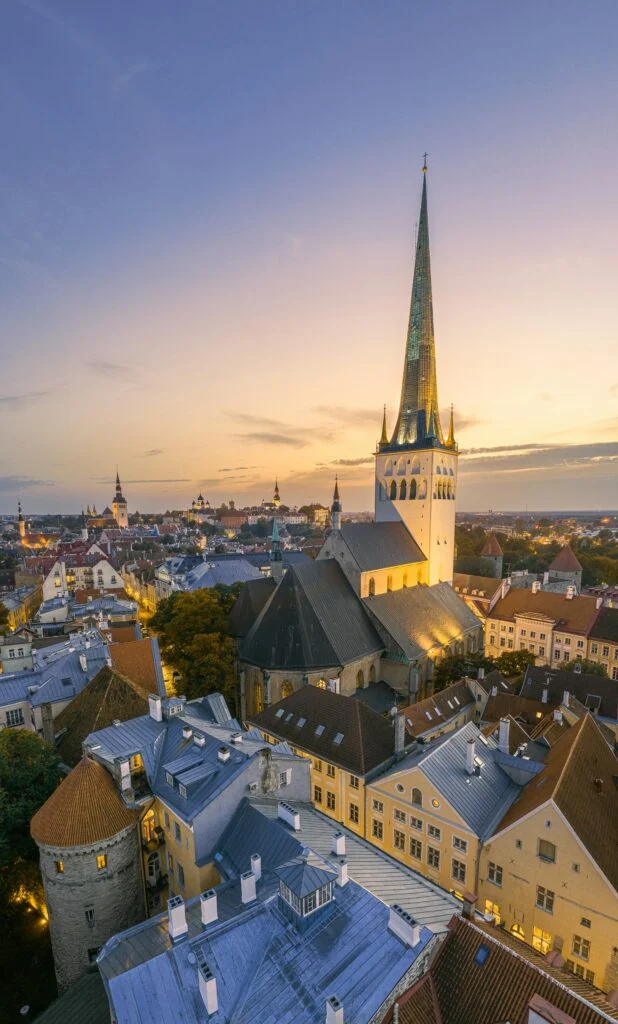
    Tallinn, homely and world-class

    Tallinn holds its own against the big destinations. Its Old Town is a UNESCO World Heritage site, and every cobblestone street hides something new. The Town Hall Square is magical at Christmas, Toompea Hill offers breathtaking views, and medieval towers tell stories from centuries past. Tallinn is a city where history and modern life blend perfectly.

    Tallinn City Socks are a sweet way to carry your hometown in your heart, even when you’re traveling elsewhere.

    Old Town towers of tallinn
    Old town Tallinn is magical

    Sokisahtel City Socks are more than just socks. They’re little reminders and dream sparkers. Slip on the Venice socks, and you’ll remember that gondola ride. Put on the Tokyo socks, and you’ll want to book your next adventure right away.

    Collect the socks from every city and let them tell travel stories from your drawer.

  • ESTO 2025 – Global Estonian Festival “Together as One” and Sokisahtel’s Special Collection

    ESTO 2025 – Global Estonian Festival “Together as One” and Sokisahtel’s Special Collection

    The summer of 2025 brings something grand and heartfelt for Estonians, the XIII Global Estonian Cultural Days, also known as ESTO 2025. This unique festival connects Estonians from every corner of the world. The festival’s theme, “Together as One,” beautifully expresses its core values, a shared language, culture, identity, and sense of belonging. Sokisahtel proudly supports this movement with ESTO 2025 merchandise: socks, shirts, tote bags, everything you need to celebrate the ESTO summer!

    Estonian nature is part of the national code and identity. ESTO 2025

    What is ESTO?

    ESTO (short for “Estonian National Days”) began in 1972 in Toronto, Canada. The festival emerged from the desire of Estonian diaspora communities to preserve their culture and language during the time of Soviet occupation in their homeland. Initially, ESTO was both a political and cultural statement, a guardian of national identity far from home.

    Over the years, ESTO has evolved into a global cultural event where generations, communities, and cultural figures meet. The festival is held every 4,5 years in various locations around the world, bringing together thousands of Estonians and their friends.

    ESTO 2025, The First of Its Kind in Estonia

    The 2025 festival is special for several reasons. First, it takes place in three cities, Stockholm, Narva, and Tallinn. For the first time, ESTO returns to Estonia on such a large scale and is directly connected to the XXVIII Song Celebration and XXI Dance Celebration. This makes ESTO 2025 much more than just a cultural event.

    ESTO 2025 is a moment when even an Estonian from across the sea finds their way back to their roots.

    1. Stockholm (June 25,27, 2025)

    The festival kicks off in the Swedish capital with concerts, folk culture showcases, and the official ESTO opening at the legendary Skansen open-air museum stages. A special event will be Cyrillus Kreek’s “Requiem” and a major performance by national choirs and dance groups. 

    2. Narva and Narva-Jõesuu (June 28,30, 2025)

    The celebration continues in Eastern Estonia with a national congress, cultural programs, and folk music. A youth congress under the theme “Multilingualism Opens Doors” and an international volleyball tournament will also take place in Narva.

    3. Tallinn (July 1,3, 2025)

    The festival ends with dignity in Tallinn, featuring international meetings, the ESTO gala, concerts, and culminating in the grand ISEOMA song and dance celebration. This is the moment when all ESTO participants come together at the Song Festival Grounds to celebrate the biggest Estonian cultural event.

    Sokisahtel & ESTO, National Colors at Every Step

    The ESTO 2025 souvenir collection blends national colors with modern design and meaningful symbolism.

    The collection includes:

    ? Socks , Stylish and comfortable socks in the colors of the Estonian flag. The classic blue-black-white design is perfect for both the ESTO festival and everyday patriotic expression. 

    ? Shirts , T-shirts featuring the ESTO 2025 logo, available in all national colors. A simple way to show your pride and support, whether at a concert, parade, or summer day outing.

    ?? Caps and tote bags, Practical and eye-catching accessories that combine functionality and national pride. A cap for sun protection, a tote for your festival or beach essentials, you’ll always look stylish and proudly Estonian.

    All items can be viewed and ordered HERE.

    ESTO 2025 is a time and place for coming together to honor our shared cultural heritage and to share our local Estonian culture.

    Final Words, Come and Feel Estonian, Together

    ESTO 2025 is more than just a festival. It’s a feeling of belonging. It’s a time when the Estonian language echoes through the streets of Sweden, Narva, and Tallinn’s Old Town. It’s a moment when even Estonians from across the sea reconnect with their roots. 

  • ISEOMA 2025 – The Song Festival Feeling That’s Truly Yours

    ISEOMA 2025 – The Song Festival Feeling That’s Truly Yours

    When the Estonian people gather once again in Tallinn in the summer of 2025, it will mark another chapter in our national epic. The XXVIII Song Celebration and XXI Dance Celebration are called ISEOMA this year, and it’s more than just a play on words. It’s a powerful summary of what this entire movement is about.

    Because if the Song Festival belongs to someone, then it is truly “ise oma”, something deeply personal for every choir singer, musician, folk dancer, and spectator. It’s not something imposed from the outside, but something that comes from deep within.

    The Story of the Song Festival Spans Over 150 Years

    The history of song festivals in Estonia is long and deeply rooted. The first National Song Celebration was held in Tartu in 1869. It was a time of national awakening, and the choirs singing together carried a clear message: we are a people, we have a language, we have our own culture.

    This became a tradition that could not be broken,not by censorship, occupation, or changing times. Song festivals have taken place regularly, although there were periods of “silent years.” Historically, these festivals have been closely tied to national identity, the preservation of language, and cultural continuity. In 2003, the traditions of both the Song and Dance Celebrations were inscribed on UNESCO’s List of the Intangible Cultural Heritage of Humanity.

    Today, the Song Celebration has grown so large that it is the biggest regular choral music festival in the world. At the last event, over 35,000 performers took part, and the number of spectators exceeded 100,000. It is not just a cultural event, it is a social and national phenomenon.

    At the Song Festival Grounds
    2025 Festival Merch, ISEOMA

    The 2025 Celebration: ISEOMA Takes Place July 3,6 in Tallinn

    ISEOMA will bring together hundreds of groups from across Estonia and abroad. The summer celebration is the result of years of preparation, from learning the repertoire to preliminary rehearsals, jury evaluations, and final selections.

    The Song Festival traditionally spans three to four days. It begins with the Dance Celebration at Kalev Stadium, followed by the grand procession and culminating in the main Song Celebration concert at the Tallinn Song Festival Grounds.

    At the end of the concert, when “Mu isamaa on minu arm” (“My Fatherland is My Love”) by Lydia Koidula (lyrics) and Gustav Ernesaks (melody) is sung, time seems to stand still. This song is not just performed, it happens with everyone present.

    This year’s repertoire once again blends classical choral music with modern approaches. The focus is on music that speaks of the human experience, our roots, choices, and presence.

    What Does a Modern Song Festival Souvenir Look Like?

    While the Song Festival lasts only a few days, the memories last much longer. That’s why each festival also comes with its own collection of souvenirs. These aren’t just trinkets to glance at once and toss into a drawer. Today’s souvenirs are often practical and designed to be worn and used long after the festival ends.

    The official ISEOMA souvenirs are available in the Sokisahtel online store and the festival’s official webshop. The collection was created in collaboration with designers and producers who understand both the choral tradition and everyday needs.

    You won’t just find T-shirts with logos, the selection includes high-quality hoodies, sustainable tote bags, reusable raincoats that won’t end up in the trash after one use, and socks that offer more than just momentary warmth.

    A cap, the perfect headwear for the Song and Dance Celebration
    Stay warm and hydrated with ISEOMA souvenirs

    What makes these souvenirs special is their context. A T-shirt is just a T-shirt,unless it carries the dust of the Song Festival Grounds, the tiredness from rushing to your overnight stay, and the echo of a shared voice. After the festival, it becomes an item with a story.

    In addition to practical products, the online store also offers smaller symbolic gifts,magnets, pins, and stickers. These make perfect tokens for conductors, choir mates, or supportive family members who helped bring a young dancer to rehearsals every Sunday.

    5 Fascinating Facts from the History of the Song and Dance Celebrations

    1. Women Were Not Initially Allowed on Stage

    At the first National Song Celebration in 1869 in Tartu, only male choirs and brass bands were allowed to participate. Including women was considered too radical at the time. It wasn’t until 1891 that female choirs were officially included in the program, and today, women make up a significant part of the festival’s core strength.

    2. The Song Festival Stage Was Completed Only in 1928

    Although song festivals had already been held in Tallinn, the Song Festival Grounds didn’t receive their iconic stage until 1928. The structure was built at record speed,in just four months. The later arch-shaped shell, designed by architect Alar Kotli and engineer August Komendant, was completed in 1960 and remains one of the most iconic symbols in Estonia’s cultural history to this day.

    Comfy feet and a warm heart with ISEOMA socks
    The ISEOMA bucket hat, practical and stylish

    3. The 1947 Song Festival Was a Message to the Authorities

    Despite Soviet censorship, Gustav Ernesaks’s “Mu isamaa on minu arm” was performed at the 1947 festival. It wasn’t just a beautiful choral piece,it was also a political statement. Spectators wept, singers sang through tears, and the authorities could no longer stop it. The song became the traditional closing piece of the Song Festival and is still performed at the end of every major celebration.

    4. The Dance Celebration Is the Younger Sibling

    The Dance Celebration wasn’t part of the original Song Festival. The first nationwide Dance Celebration took place only in 1934. At first, dance was just an additional program, but it quickly grew into an independent and equally important event. Today, for many, the Dance Celebration is the most emotional part of the entire festival week.

    5. The Song Festival Helped Restore Independence

    In 1988, during the days of the Singing Revolution, hundreds of thousands of people gathered at the Tallinn Song Festival Grounds to sing in support of Estonian independence. It wasn’t an official event, but a grassroots movement. This “unofficial song festival” gave people the courage to keep going,and it’s one of the reasons why Estonia regained its independence in 1991.

    Come to Tallinn from July 3,6, 2025, for the XXVIII Song Celebration and XXI Dance Celebration, ISEOMA. It’s Estonia’s largest cultural event, where choirs, folk dancers, and musicians create something the rest of the world has never seen. Whether you bring a flag, a raincoat, or simply your presence, this is your chance to be part of living history.

  • Estonian Design Conquers New York

    Estonian Design Conquers New York

    The Collaboration Between The Canvas 3.0 and Estonian Design House

    Estonian design has taken a significant step onto the international stage thanks to a collaboration with The Canvas, a platform focused on sustainable fashion. This partnership has brought the work of Estonian designers to the heart of New York, offering a unique opportunity to showcase our design to the world.

    WTC Oculus Shopping Center
    WTC Oculus Shopping Center

    The Canvas 3.0, A Hub for Sustainable Fashion

    The Canvas is a platform representing over 100 brands and designers from more than 40 countries, with a focus on sustainable fashion. Their digital art gallery, The Canvas 3.0, is located in the iconic WTC Oculus building, a masterpiece by architect Santiago Calatrava.

    This space bridges the digital and physical worlds, offering visitors unique fashion experiences.

    The Canvas CEO and co-founder, Devin Gilmartin, has stated: “The Canvas NYC is known for transforming empty spaces into marketplaces for ethical fashion. Our goal is to showcase the world’s most renowned and innovative projects that connect the digital and physical realms.”

    Estonian Design House, Representative of Estonian Design

    Estonian Design House (EDH) is a platform that highlights the work of Estonian designers, providing them with opportunities to showcase their creations to a wider audience. The collaboration with The Canvas allows EDH to present the best of Estonian fashion and design in New York, enriching The Canvas’ global collection.

    of Sokisahtel is an Estonian brand founded in 2010 by two women, Maarja Kasar and Piret Ilver, who describe socks and Sokisahtel as follows:

    “The beginnings of Sokisahtel go back more than fifteen years. Back then, people saw socks as something inevitable,just something you had to put on your feet. But we wanted to do things differently. Our goal was to make every pair of socks come with a fun, heartfelt, and sometimes even humorous story.

    Sokisahtel is a business created entirely by women, built from scratch, and now providing jobs for 50 women. Our stores offer exciting socks and tights that add a spark to any outfit. We design our products to bring joy to people. Some socks are funnier than others, but in the end, the purpose of socks is to keep both feet and hearts warm while keeping thoughts clear.”

    Today, Sokisahtel products have reached customers across multiple continents, proudly carrying the flag of Estonian design and bringing joy to sock lovers all over the world.

    NORDIC SKY merino wool socks
    NORDIC SKY merino wool socks
    CASINO merino wool socks
    CASINO merino wool socks

    Estonian Designers’ Fashion Show in New York, March 2025

    In March 2025, a special fashion show took place at The Canvas 3.0 Showroom, featuring several outstanding Estonian brands:

    Manikins in the shop windows

    A luxury accessories and home textiles brand that uses alpaca and vicuña wool, offering soft and elegant products.

    A fashion brand that merges classic and contemporary styles, creating unique clothing for bold and confident wearers.

    A feminine and romantic fashion brand focusing on details and high-quality materials, offering elegant bags.

    A fashion designer who creates unique and experimental garments, playing with shapes and materials to craft artistic pieces.

    LUXE HAPSAL

    A luxury knitwear brand inspired by the tradition of Haapsalu shawls, creating contemporary and elegant knitwear.

    NO(N)sS

    A minimalist footwear brand that focuses on functionality and aesthetics, offering comfortable and stylish shoes.

    NORDHALE

    A design brand that creates modern and functional accessories, blending Nordic aesthetics with high-quality materials.

    The statue of Liberty

    A pioneer of sustainable fashion in Estonia, using upcycling methods to transform textile waste into stylish and eco-friendly clothing.

    A fashion designer whose work blends classic elegance with contemporary trends, offering feminine and stylish garments.

    A fashion designer creating luxurious and unique clothing, with a focus on high-quality materials and intricate details.

    Fashion socks on a runway model
    • SOKISAHTEL

    An Estonian sock brand offering a wide selection of high-quality and stylish socks, blending traditional patterns with contemporary trends.

    A design brand creating stylish and functional aprons, perfect for both professionals and home cooks.

    A fashion designer focused on unique and artistic garments, playing with colors and patterns to create standout pieces.

    An internationally recognized fashion designer whose creations combine unique patterns and innovative cuts, resulting in bold and standout garments.

    A versatile clothing brand offering multifunctional garments that can be worn in various ways, suitable for both everyday wear and special occasions.

    Reet Aus curated a visually captivating show, captured by New York-based photographer Mauricio Zelaya. The event brought together the best of Estonian design, offering the New York audience a unique opportunity to experience the big ideas of our small country.

    Visit the Estonian Design Pop-Up in New York

    If you find yourself in New York, don’t miss the chance to visit the exclusive Estonian designers’ pop-up, open until August 2025. Come and find us at The Canvas 3.0 gallery, located in the Oculus Center.

    • Monday to Friday: 10:00 AM, 8:00 PM
    • Saturday: 10:00 AM, 7:00 PM
    • Sunday: 12:00 PM, 6:00 PM

    Address: 185 Greenwich St, New York, NY 10007, USA.

    Estonian design fashion socks
  • Tartu 2024 European Capital of Culture – Arts of Survival

    Tartu 2024 European Capital of Culture – Arts of Survival

    Hello everyone, friends of culture and Tartu! By now we probably all know that Tartu has been chosen as the European capital of culture in 2024! It is a great honor for our lovely university city and an opportunity to show the world our unique culture, history and modernity. Tartu 2024 is something worth talking about!

    Tartu, Southern Estonia and the Kissing Students

    If you have visited Tartu before, you already know how much this city has to offer. Tartu is the oldest city in Estonia, full of lively spirit, academic atmosphere and rich history. The pride of the city of Tartu is the University of Tartu, one of the oldest universities in Europe, known for its top-level research.

    But Tartu is much more than just a university town – here tradition and innovation meet, as well as old fortresses and modern architecture. The most famous fountain “Kissing students” on the Town Hall square is also the one that people from all over Europe come to see and take pictures with.

    On the Emajõe side, there is also the newest bright red landmark of the city of Tartu #TARTU2024, which has turned out to be a real tourist magnet!

    Tartu is not limited to the city, the whole of Southern Estonia is full of exciting places, events and attractions. Take a look and make a plan!

    Kissing students

    Tartu 2024 program and events

    Tartu 2024 program and events

    The year of the Capital of Culture is full of various events and activities for everyone – both local residents and visitors. During this year, Tartu becomes lively and bubbling, being full of various cultural events, concerts, theater performances, exhibitions and much more.

    All these events bring additional energy to the city and create unforgettable experiences for everyone who stays here. Already on October 19, the Tartu 2024 team will make public all the awesome experiences that you can enjoy throughout the year!

    Although the main program lines are already in place, the doors of the secret box of events will be opened in October. A lot of emphasis is placed on sustainability and originality, which Tartu and Southern Estonia have a lot of in general! We are very excited!

    Arts of Survival merch

    And what could be a better way to remember Tartu 2024 than purchasing special cultural capital merchandise? The selection includes a variety of products including hoodies and sweaters, t-shirts, socks, beanies and badges, all designed with the Arts of Survival theme.

    The Tartu 2024 merch is an excellent souvenir and a great way to express your love for Tartu. This way, you will have memorable memories that will last long after this special year.

    Hoodies and T-shirts with a modern design are timeless, so you can wear them throughout the year of culture and beyond, show your support with merchandise! Colored badges can also be worn on your hats or bags!

    Survival merch

    Tartu 2024 team – how to get involved?

    tartu-2024-pink-socks

    Becoming a Capital of Culture is a great opportunity to highlight the unique qualities of our city and attract more visitors. This is the time when we can show the world our culture, art, education and, of course, the hospitality of the people of Tartu.

    Would you like to contribute to the functioning of Tartu 2024? Wear the official T-shirt or hoodie, tell your friends and family about the different events and take part yourself. Share the information on social media too! Let’s stick together and go to events together, that’s how the culture continues!

    The best way to support is to be there! We are ready to welcome you all with open arms and share our rich cultural heritage!

    Don’t miss the opportunity to visit Tartu in 2024 and enjoy what the European capital of culture has to offer. Get exclusive Tartu 2024 capital of culture products from the nearest Tartu Sokisahtel store or our webstore and always remember this special experience. We are waiting for you in Tartu!

    tartu-2024-white-t-shirt
    tartu-2024-white-t-shirt
  • Packaging-free orders! Come try and let us know what you think!

    Packaging-free orders! Come try and let us know what you think!

    Today we are talking about our new initiative – packaging-free ordering from the Sokisahtel webstore. For years, we have tried to be as environmentally aware as possible and wanted to do our part to reduce the unnecessary amount of packaging waste in the world.

    Therefore, together with you, we will try a test period in April and May, where when ordering from the webstore, ALL orders are packaging-free by default. We will test together with you how it works and whether we could continue like this in our webstore in the future.

    How does the package-free ordering work?

    If you place an order from our webstore, ordering without packaging is selected by default. This means that when assembling the order, we remove the product labels and immediately send them back to the warehouse, where they are already used on the following products. And that’s it – we can also reveal a little secret, how do tell the difference if the package has already been used several times ? – namely, we put new barcode stickers of the new product on the old labels. And that’s why sometimes you can see, for example, 2 barcode stickers on top of each other on your label.

    With socks and thicker tights, it’s easy, the black product label with the Sokisahtel logo is immediately used again in the warehouse, and the new products with the old labels end up in our stores waiting for their owner. It is also possible to leave the package in the store when buying, and many of our customers happily use this option.

    It’s a little more complicated with hold-ups and sheer tights. What we do with them is remove the film packaging and reuse it. We leave fragile products between the paper. When you receive the product, you only need to put the paper in the paper waste and again, a small task is done.

    What do the packaging-free orders look like?

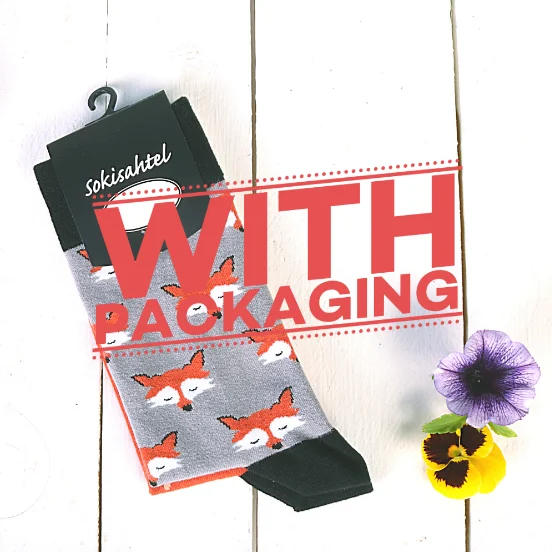
    Sokisahtel socks with packaging

    The socks have a plastic hook and paper packaging. When removing, please put it in the packaging container so that the packaging can be recycled!

    Sokisahtel socks package-free

    The product comes without packaging. The paper carton, plastic hook and paper tag are already in use again.

    Sokisahtel tights with packaging

    The tights have paper packaging around them. Please put it in the packaging container so that it can be recycled!

    Sokisahtel tights package-free

    Unpackaged product comes without labels. Since it is a pair of 60DEN stronger kind of tights, no packaging or cardboard is needed for support! The packaging is already in use again.

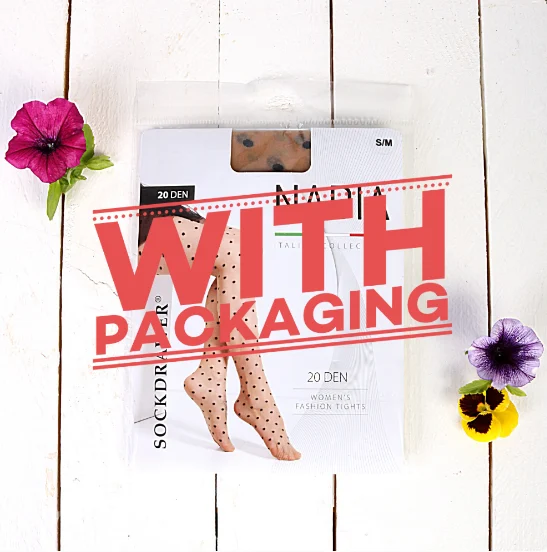
    Sokisahtel sheer tights with packaging

    The tights have plastic film around, paper wrap and cardboard inside. Please put them in the packaging container so they can be recycled!

    Sokisahtel tights package-free

    The product comes in a paper wrap, as it is a delicate pair of 20DEN tights. Put the paper wrapper and the inner cardboard in the waste paper collection point. You can use the inner cardboard as note paper.

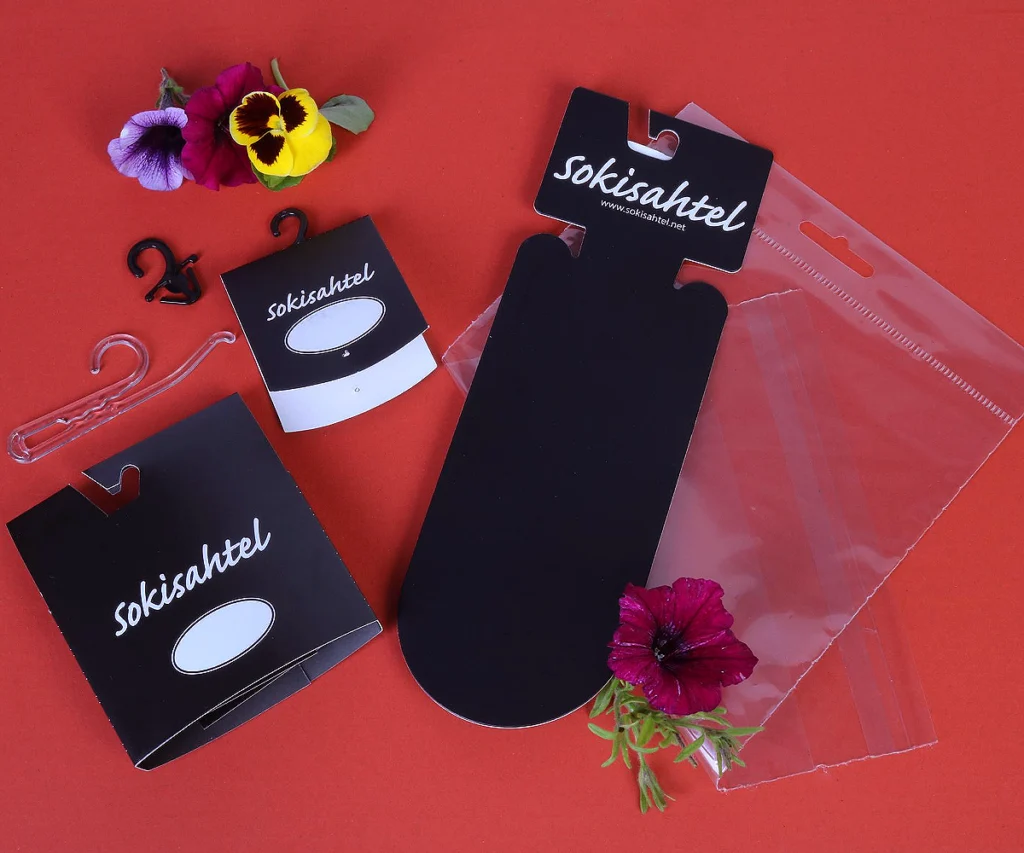
    Sokisahtel different packages

    If you have any further questions, write to us at epood@sokisahtel.net or call us Monday-Friday 9-17, phone +372 555 10 994

    And more. When we send you a package, we reuse the transport packaging if possible. Also, if you get a box or a bag from us – open it and if you need to send a package, you can use it again.

    It is worth cutting the plastic packaging nicely with scissors, and you can reuse the plastic packaging, for example, to send a book or chocolate to a friend. Recycling is fashionable and becoming more and more popular and essential. Let’s keep up with the trends and keep the earth cleaner!

    What if I still want to receive my orders with packaging?

    From April 22, we will ship all Sokisahtel webstore orders without packaging. However, if you definitely want to get the packaging around a pair of socks or tights, you can make a mark that when ordering, and everything will come beautifully packaged, ready, for example, as a gift.

    But how do I know what my packaging-free product consists of and how I can take care of it?

    Socks and stockings are much easier to care for and wash than delicate sweaters, expensive fur coats or other textile products. Of course, it is best to wash delicate products by hand (for example hold-ups, sheer tights) or in a laundry bag with a hand wash program.

    In the case of socks, it is also good if you wash with a hand wash program and at a temperature of up to 40 degrees. This is especially true for merino, angora and alpaca wool products, which can shrink when washed in warmer water. You can find the maintenance manual on our website HERE. And the composition of the product is always available in the description on the product page.

    But you can’t use the packaging indefinitely, some will break, so what do you do then?

    Yes, that’s ture. We have a record that the most times we have been able to reuse a sock label is 5 times – it just keeps coming back from the store. But the truth is that the labels wear out and the packaging can be used repeatedly, in most cases 2-3 times. We collect unusable labels and send them to recyclable packaging waste.

    Sokisahtel transport packages

    What about transport packages?

    In transport packaging, we use cardboard and paper packaging, which you can put in the paper and cardboard collection container. We also use biodegradable plastic wraps, but this is generally only when the package has been ordered to a parcel machine. You can put the biodegradable plastic wraps in the packaging container. When ordering from the store, you usually get your order in a paper bag, that you can also use again at home.

    In Estonia, you can take the packages in which the order arrived to the package collection point free of charge. See locations here: www.kuhuviia.ee

    Packaging-free and environmentally friendly ECOCARE collection

    Packaging-free shopping is not the only way you can support Estonia’s sustainability. Together with us, you can save nature and the environment by wearing products from our NILIT® Ecocare collection. They are produced from recycled nylon scraps, the production of which saves both material and resources.

    How much material and water is saved? Here are some numbers that are the resources saved per 1 ton of thread. Energy would be saved by 6194 kw per ton, or 87.6% less during the entire production process, water by 18 cubic meters per ton, and in total 55% less resources would be used for production. You can read more about Ecocare collection here.

    Sokisahtel ECOCARE collection

    April 22 is Earth Day! What is it and why is it celebrated?

    This day has been celebrated internationally since 1970. The purpose of Earth Day is to raise awareness of the vulnerability of our planet’s natural resources and to teach people how they can do their part to protect the environment. Also, that it is possible to be more environmentally friendly in your activities.

    To celebrate Earth Day, various events and activities are organized aimed at reducing environmental pollution, promoting renewable energy, planting plants and other activities that raise environmental awareness.

    We follow the event map and activities HERE!

Join and get 20% off your first order We will email you a discount code. You will also be first to hear about new socks and offers.