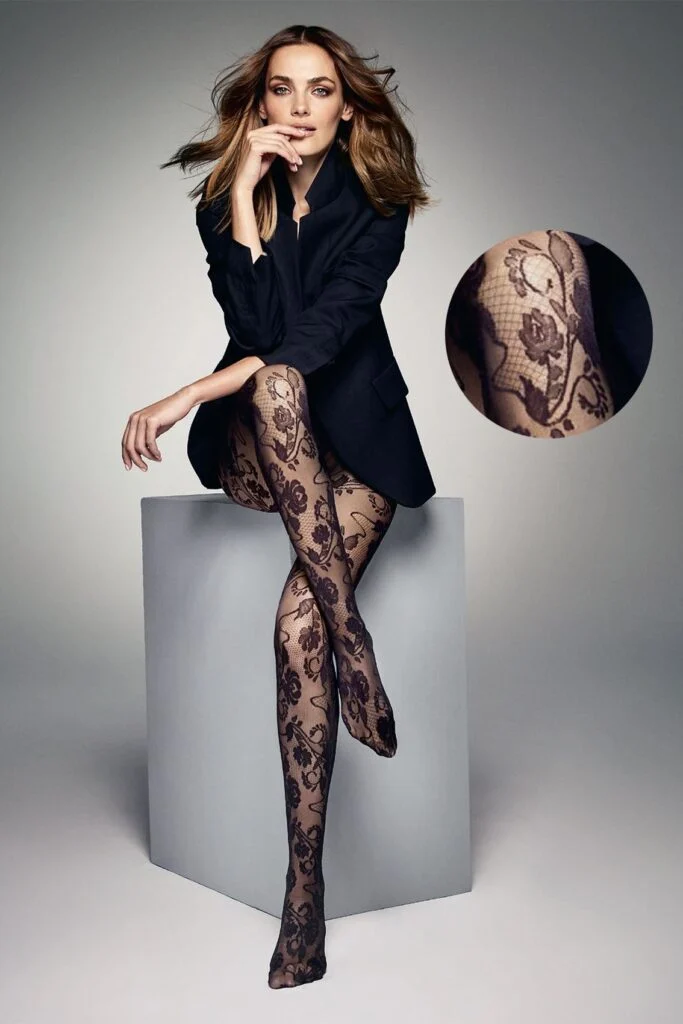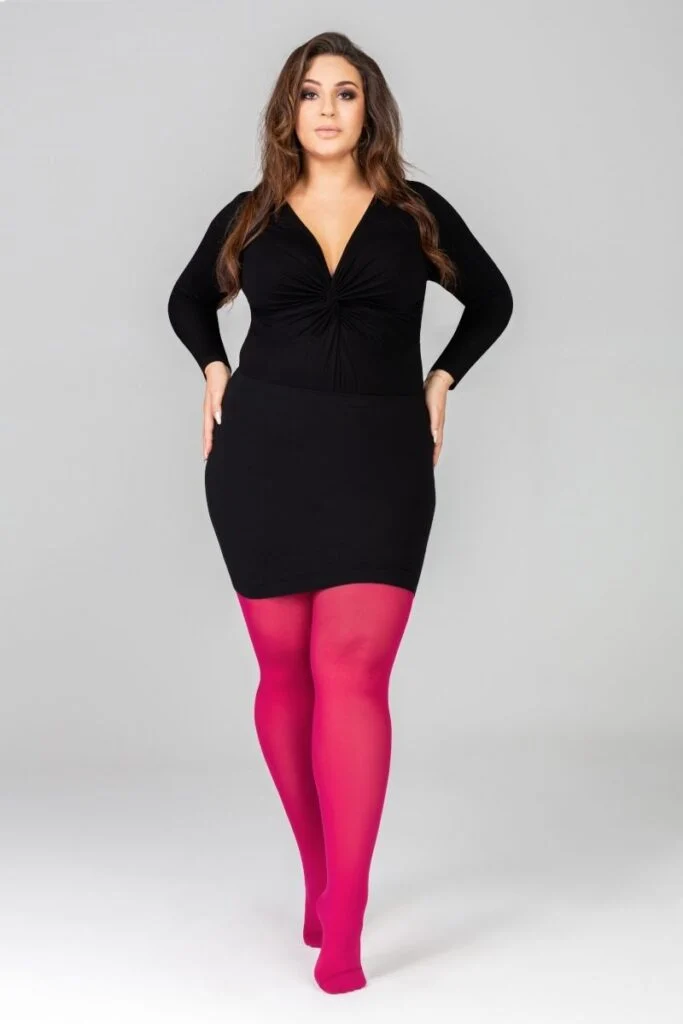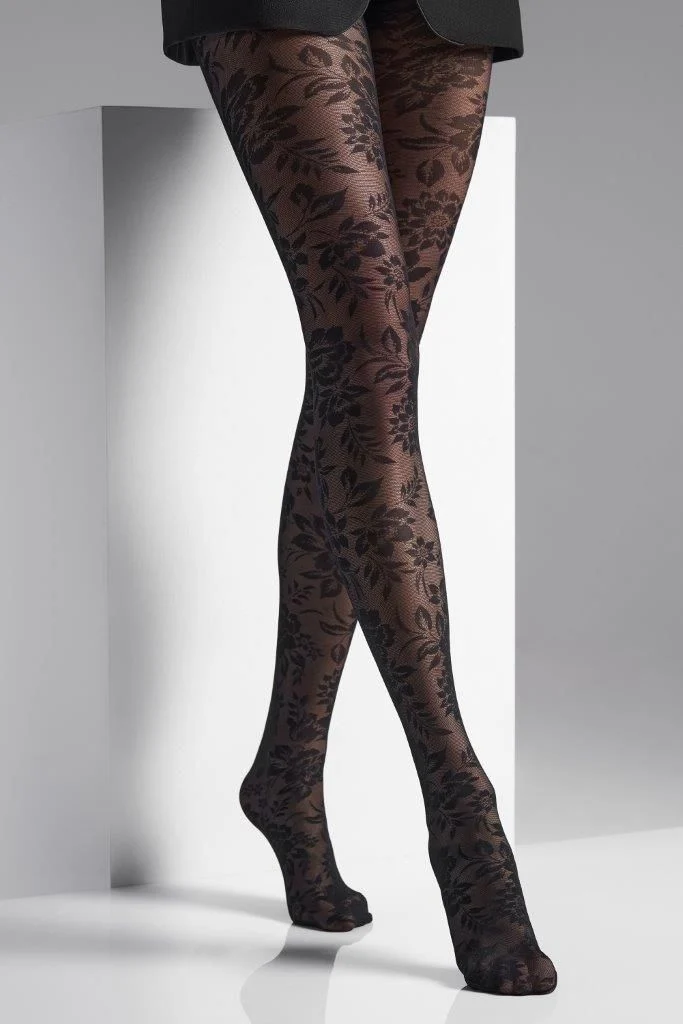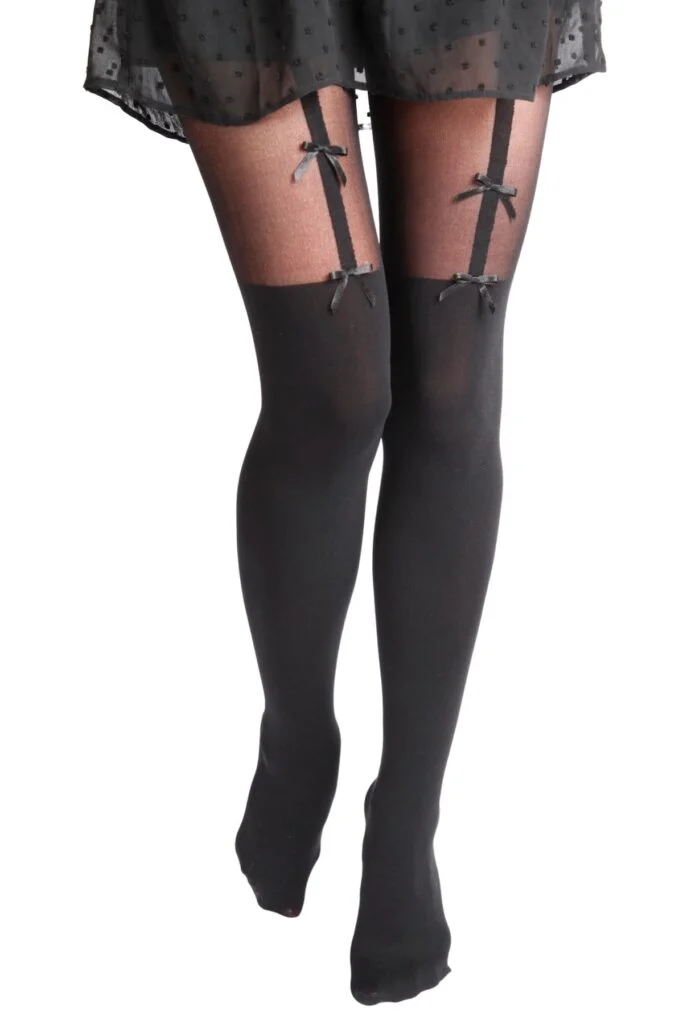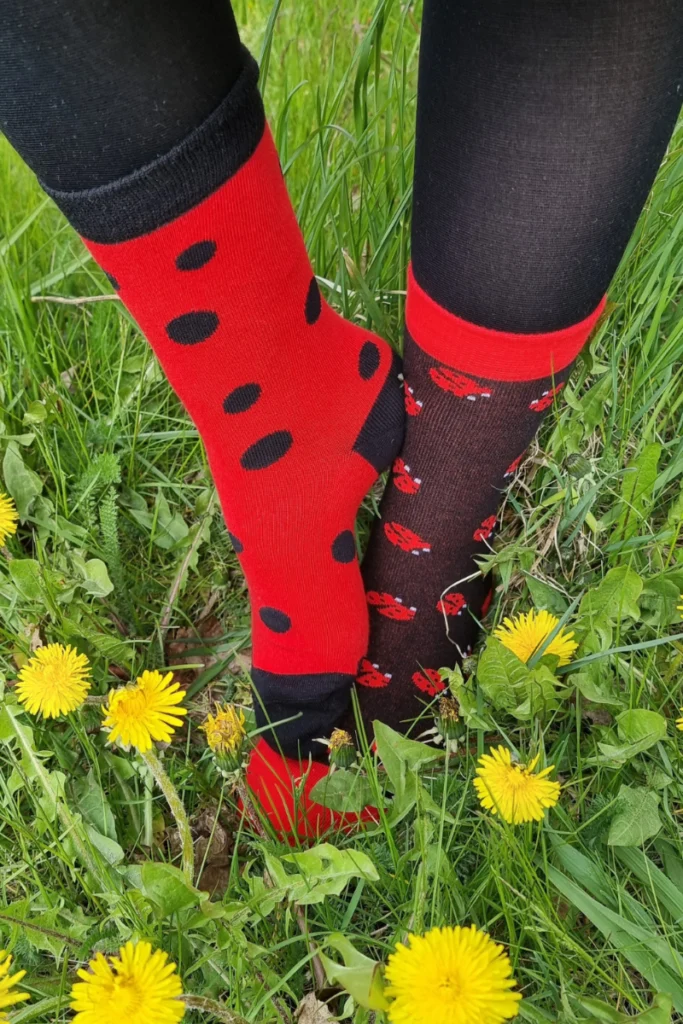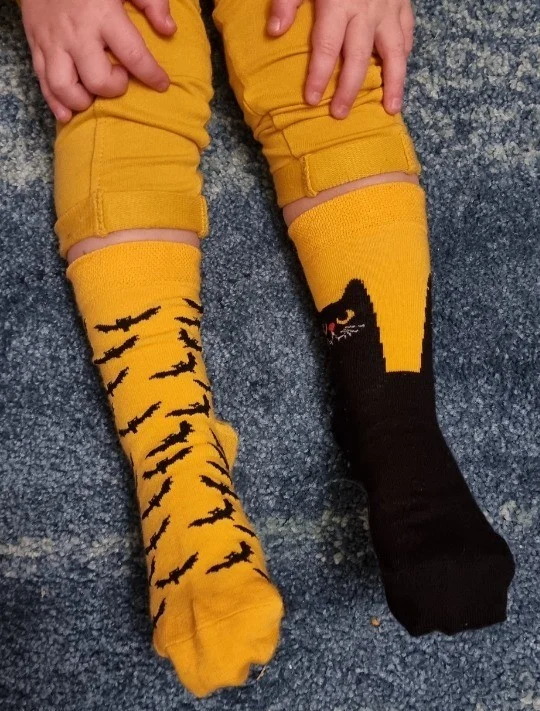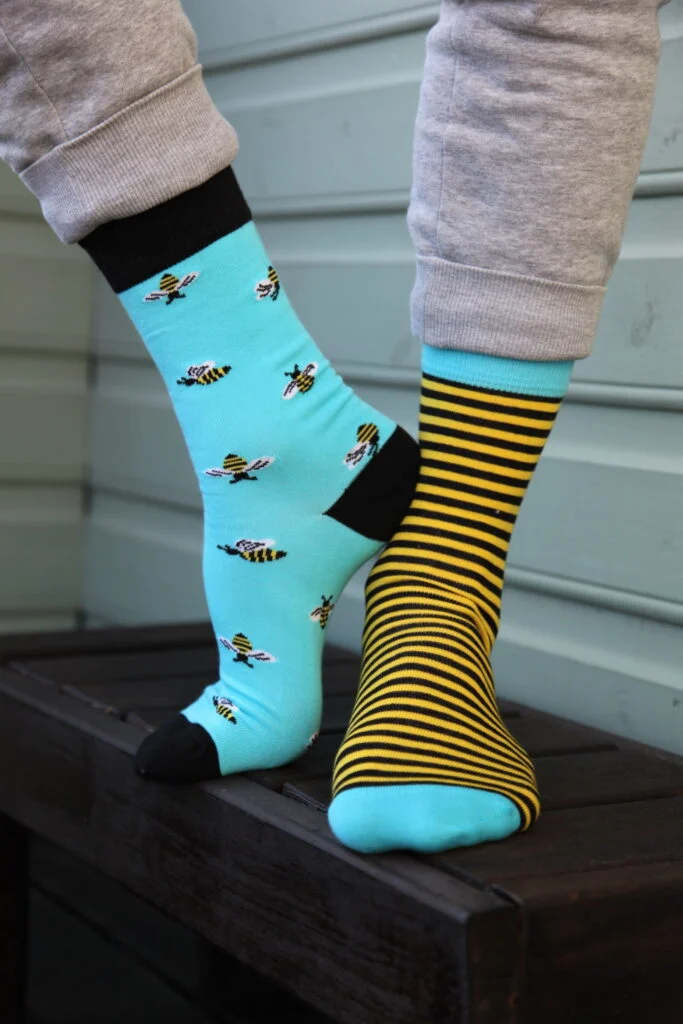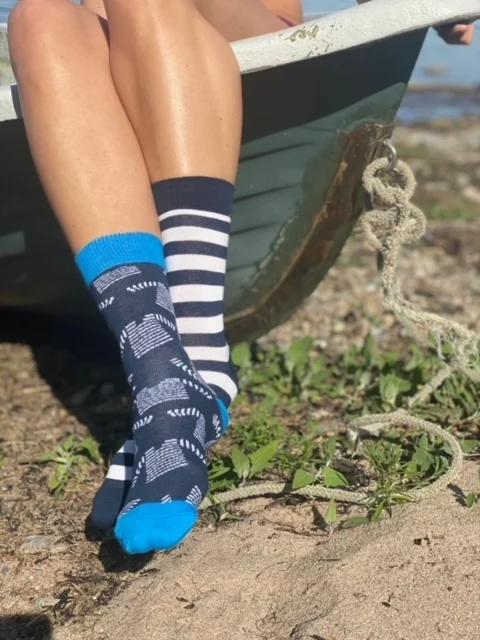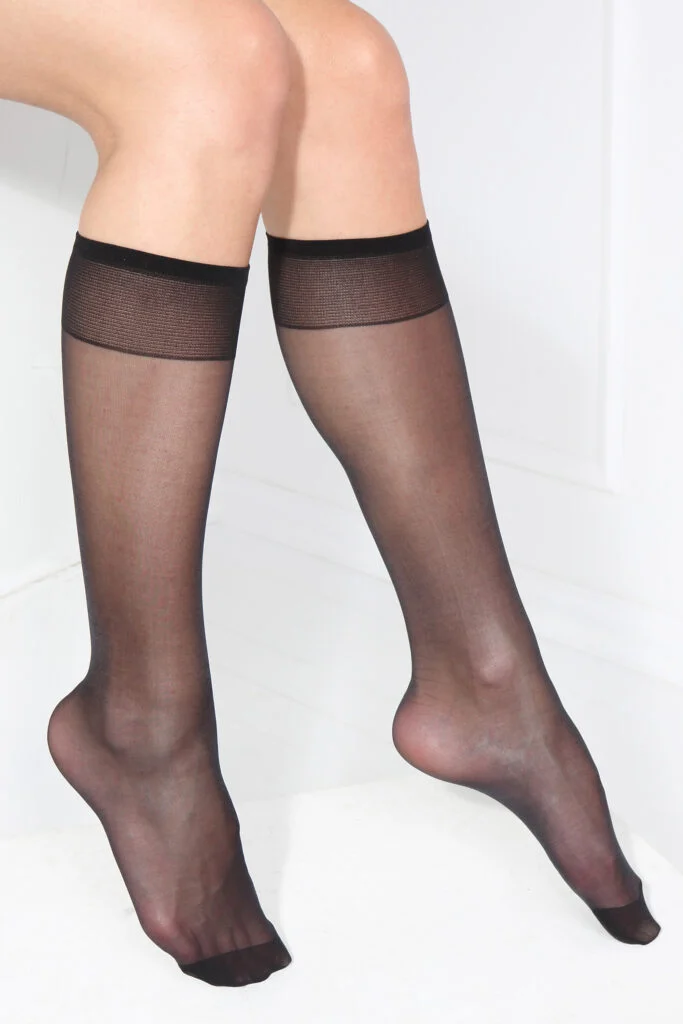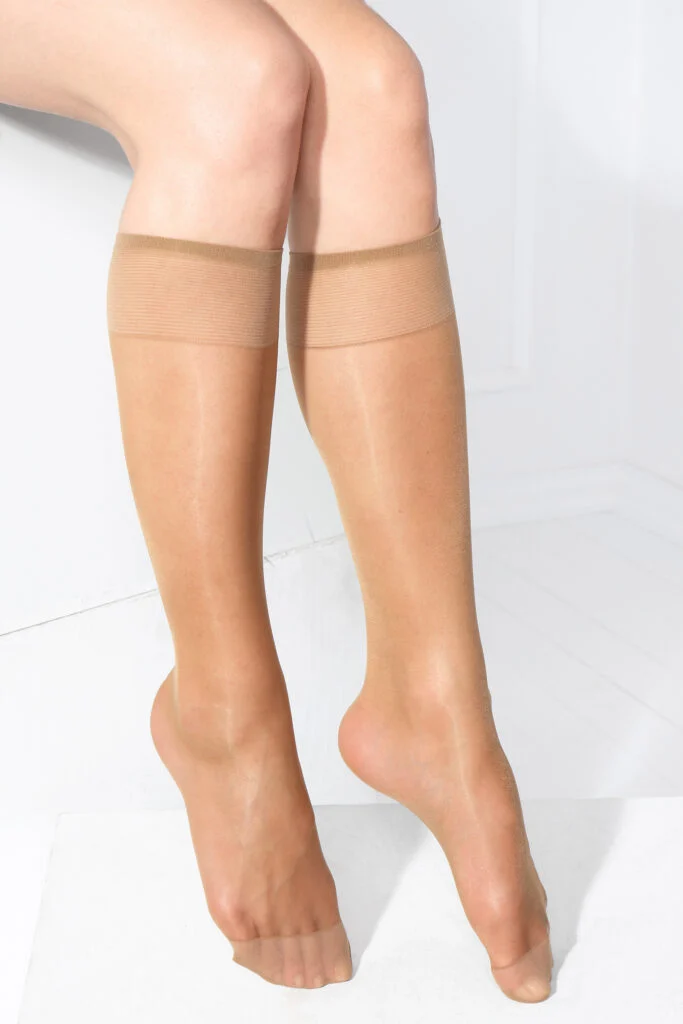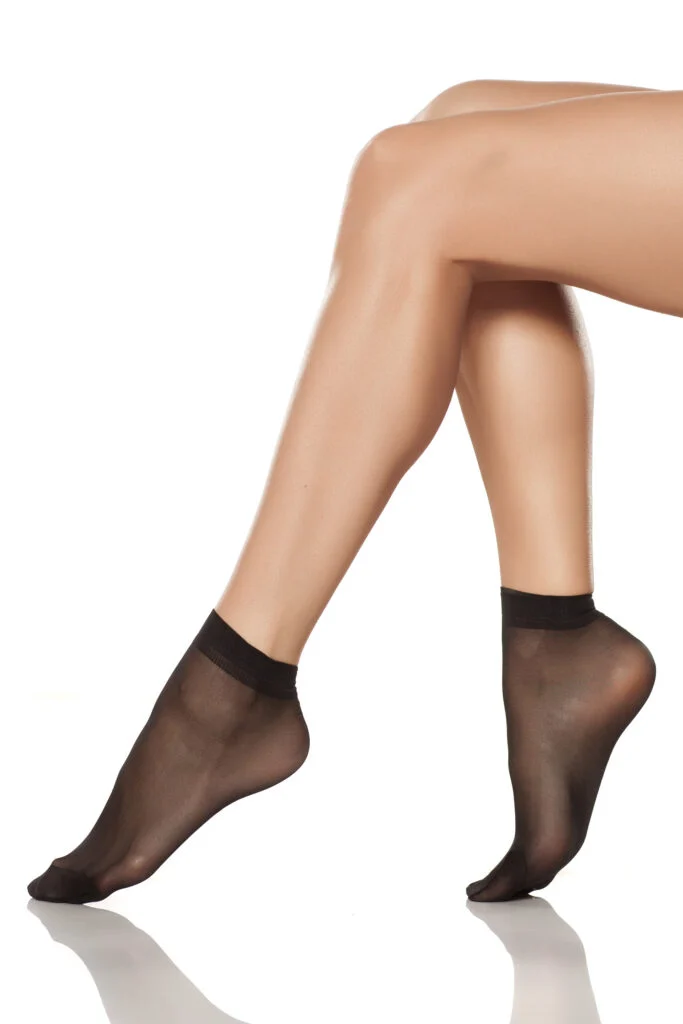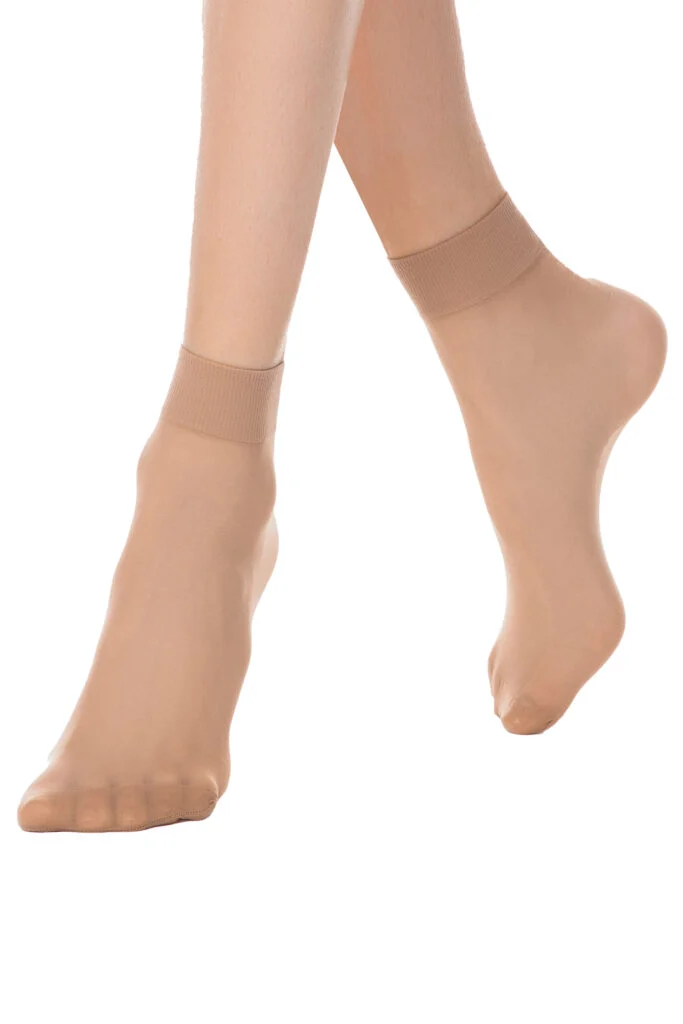
How often do you think about socks? Let me guess,not often? You might appreciate how they warm your feet or how silk and cashmere socks make you happy. You might notice them when they get soaked or torn, but that’s about it. What if I told you our little fluffy friends have come a long way? Did you know the first socks made by man were from animal skin? Buckle up; here is a ridiculously long list of interesting facts you probably didn’t know about socks.
- History of Socks: When and where were the first socks made? Which material was used to make the first socks? Leggings during wartime
- Production and sales of socks: What are socks made of? When did women start wearing pantyhose and stockings? Who invited Lycra? And when did hold-ups become popular?
- Fun facts about socks: Where is the Sock City? Which socks did Einstein and Shakespeare wear? Where does the word ‘sock’ come from? How many socks does the U.S. import? The most expensive sock pair.
- Sock tips and tricks: Sock Etiquette for Beginners and should men wear stockings? Is it normal to sleep with socks? Socks that helpful with diabetics
- Sock Capital of the world: The largest socks collection and the biggest hosiery importer. What are leg warmers used for? Who wore stockings first?
- Pantywhose: Who is the sock police? Should men wear pantyhose? What does denier mean?
- The popularity of Leggings: Military and Cowboys wearing leggings. Do men wear leggings?
- Hosiery and nylon: What is nylon? What are football stockings made of? What does RHT stand for?
- Argycle socks: What is Argyle and where does it come from? Which socks to choose for golfing?
- Choosing socks: Which sock colour is the most popular? Are wool socks better for hiking? What are compression socks and are they good for you?
- Taking care of your socks: How to choose the right socks? Which size socks should I take? Can I gift socks?
- What to do with old or single socks? DIY Sock Crafts
History of Socks: When and where were the first socks made? Which material was used to make the first socks? Leggings during wartime
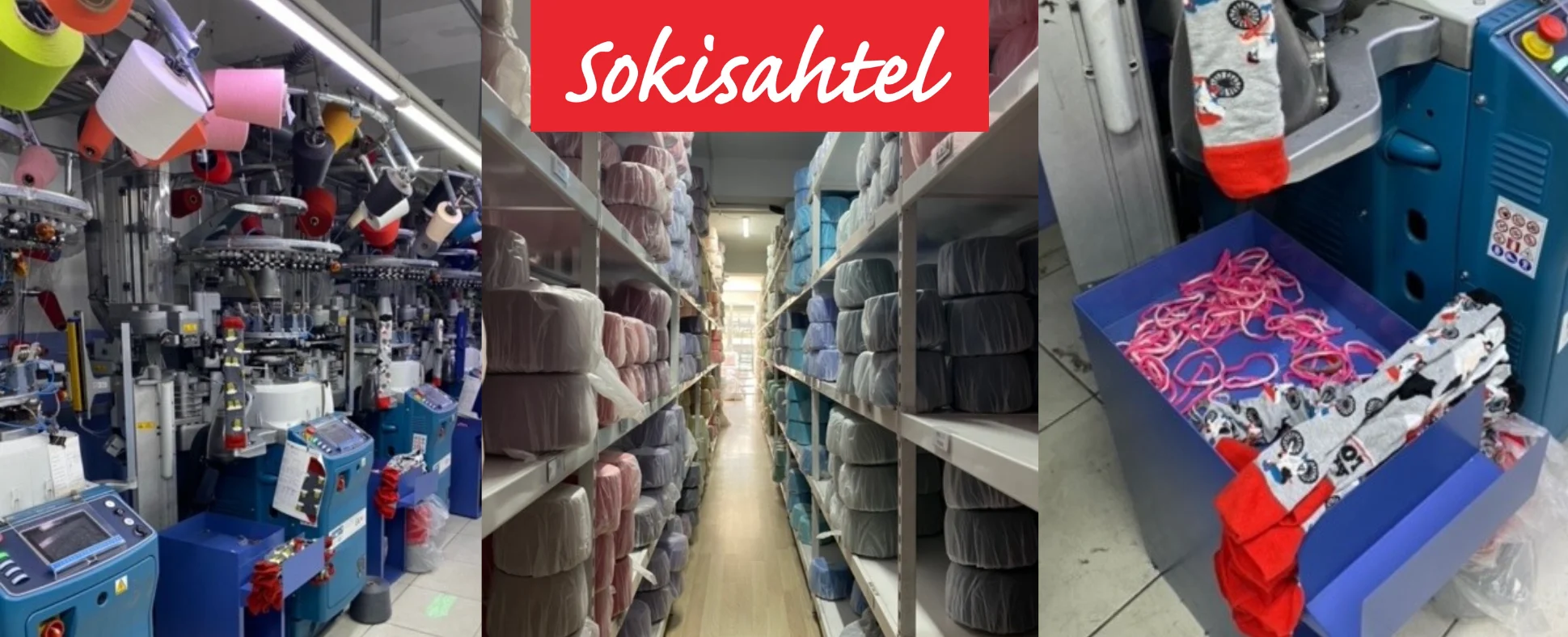
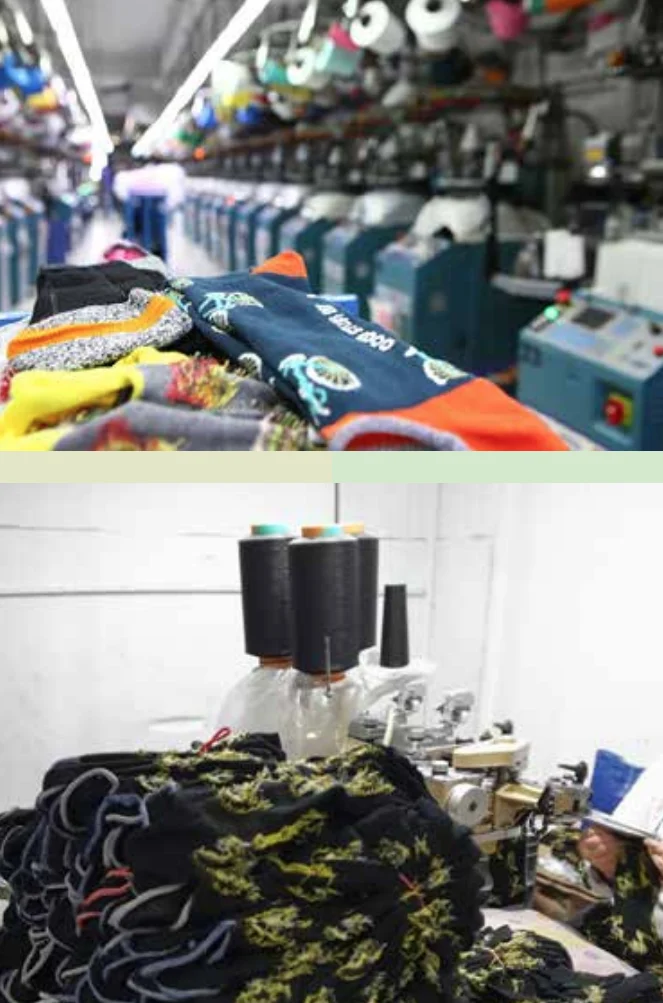
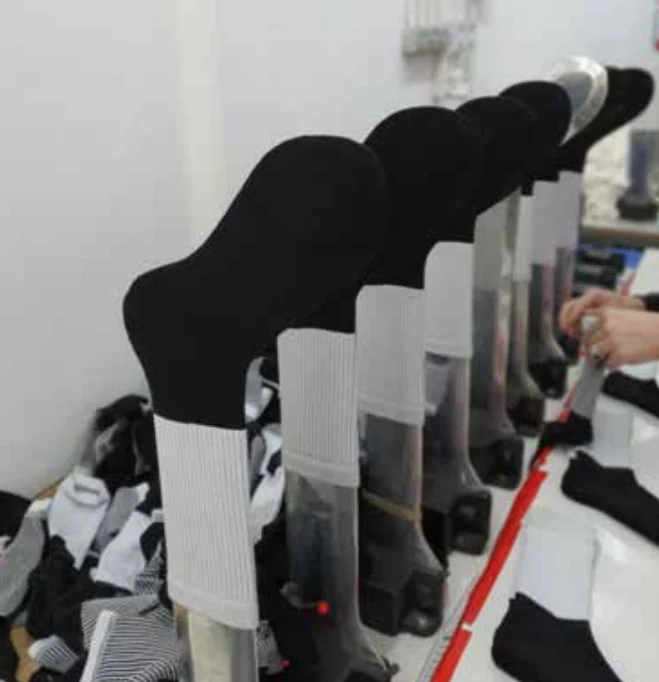
1. Cavemen wore socks. Experts believe that cave dwellers were the first to wear socks, even if they might have been unrecognizable from your woolen or knitted socks today. A typical caveman’s sock was animal skin wrapped around the feet and tied at the ankles. And sometimes, they would add animal fur for more warmth. On the flip side, here is how they make socks today.
2. The first socks appeared about 1600 years ago. Although cave dwellers had socks, it was a far cry from the socks we wear today and is considered prehistoric. That said, the first socks appeared about 1,600 years ago. It was excavated in the 19th century from the ancient Oxyrhynchus, a Greek colony by the Nile in Egypt.
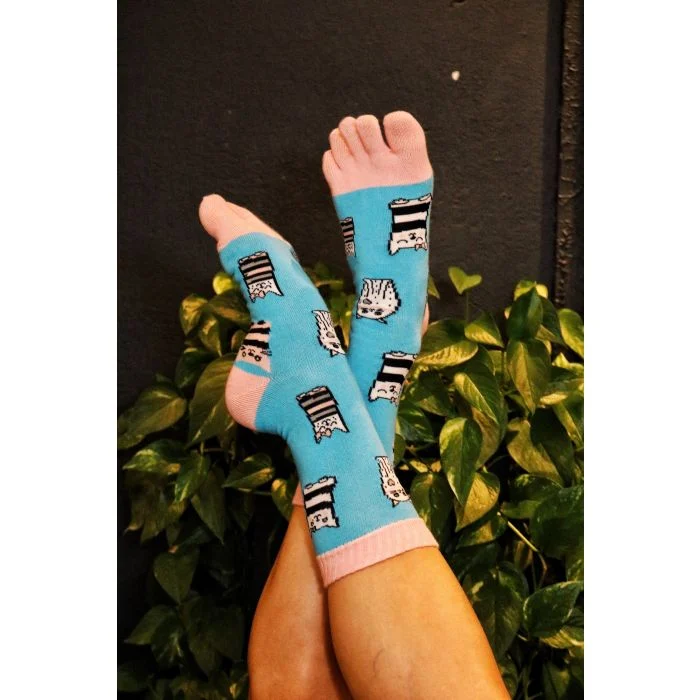
3. The first socks were split toes. The socks had split toes and were made from red wool. You can see them in real-time at Victoria and Albert Museum in London.
4. The ancient Romans made fashion blunders too. We all know the fashion rule,socks and sandals don’t go together. It is a significant fashion blunder, and we all know it. However, the ancient Romans didn’t. Archaeologists, upon excavation, found evidence that Romans wore their socks with sandals.
5. Egyptian might have worn socks with sandals. Romans aren’t the only ones guilty of the famous fashion blunder. For example, there is evidence that the wool socks found in Oxyrhynchus, Egypt, were also worn with sandals.
6. The Greeks wore “hair” socks. Greeks wore socks made out of matted animal hair and fur. In the 8th century, it was popular among the Greeks. And yes, these socks were hot,the Greeks took “socks for warmth” too seriously.
7. Socks was once a status symbol. In 1000 AD, socks had evolved. Demand started to rise, and so did their prices. Socks became expensive pieces of clothing that Sokisahtel sock’s prices would have been laughable then. As a result, a person wearing socks was viewed as someone associated with nobility.
8. The 1945 Nylon Riot. Stockings caused quite a stir in 1945. The lack of nylon stockings in the USA led to riots. Nylon had been used in the war, and when the war ended in 1945, Dupont announced: “Nylon by Christmas.” But as it turned out, there weren’t enough, and riots broke out.
9. Russian soldiers didn’t wear socks till 2013. Russian soldiers wore portyanki,foot cloths before 2013, when they were required to start wearing socks. Still, some soldiers don’t fancy socks, claiming portyanki are better since they dry faster and are comfortable.
10. Romans were the first to make fitted socks. In the second century, the Romans started making socks that had a similar appearance to what we have today. They made the socks by sewing pieces of fabric together. The socks were called “udones.”
11. In 1905, men started to wear cashmere socks. Men’s dress socks were made from cashmere in 1905. That was when cashmere socks made their debut as hosiery. Cashmere socks are isothermal and were also not so cheap back then. However, its uniqueness made it a catch.
12. Tall socks became a thing in the 1950s. Socks typically designed to be tall were made in the 1950s. These “tall socks” are typically over-the-calf socks. These socks might have grown in popularity because of the prevalence of shorts at the time.
13. Mid-length sock Took over in the 1960s. Mid-length socks, sometimes called trouser socks, became popular in the 1960s. As trousers became prevalent among men, they transitioned from the tall socks of the 50s to shorter ones and left the tallest socks for women.
14. The first lycra leggings appeared in 1959. Lycra, also known as spandex, was created in 1958 by Joseph Shivers. The year after, the first lycra legging was invented. The fashion industry gave a warm welcome to these slim, stretchy Lycra leggings in the 1960s.
15. Leggings became a trend in the 1970s. By the 1970s, leggings were in the fashion world for quite a while. However, in the 1970s, thanks to Debbie Harry and Olivia Newton-John, celebrities at the time, leggings became a full-blown trend.
16. Men wore separate hoses in the 13th century. From the 13th to the 17th century, European men wore separate hoses on each leg. “Hose” was the primitive form of leggings. The plural form of Hose was Hosen.
17. The first woolen socks was made in the 2nd century. The first woolen socks made were in the 2nd century in Vindolanda in Northumbria. The socks were made to protect against the unruly cold climate at the time.
18. In 2017, three kids were barred from boarding a flight on the United Airlines cause of leggings. In March 2017, three kids were barred from boarding a flight on United Airlines because the gate agent decided leggings were inappropriate.
19. Socks were once used as burial shrouds. Weird, right? But it is true. Socks were used as burial shrouds and covered the dead with dignity.
20. The first knitting machine was for socks. The first knitting machine was invented in 1589 by William Lee; he did so to save up the time it took to knit socks by hand.
21. Men used to wear stockings. Before the widespread acceptance of trousers in the early 1900s, men wore socks long enough to reach knee height.
22. 1929 was big in socks’ history. Since Lastex was introduced to Socks production, we could now wear stretchy socks. This innovation took out the need for sock garters.
23. Who created pantyhose? Pantyhose was created by Allen Grant after his wife said she needed something that combined underwear with stockings.
24. In the late 1940s, silk socks were obsolete. As the 1950s drew near, silk socks became outdated, and nylon socks started taking over. Nylon socks were affordable and more durable.
25. After the war, socks remained shorter and were more colorful. Men stuck with the new style of socks that appeared in length and style during wartime, but this time it was more colorful.
26. White socks were not mainstream till the 1960s. You might think white and black socks were probably the first socks to be used, but that’s not the case. In the 1960s, white was a new color in the sock industry.
27. The reason why white socks didn’t come until later was probably cleaning. White is a color that attracts dirt; having white socks on one of the sweatiest and most prone to dirt parts of your body might require a lot of washing and authentic detergents. In the 1960s, sock producers could make white socks because of easy access to quality detergent and cleaning services.
28. Sock garters still sold into the 1950s. Although there were already elastic socks in the 1930s, sock garters sold well into the 1950s.
29. In the early 1950s, men wore socks of business colors. Rather than colorful and bright socks, men of the 1950s adorned their legs with socks with deep blue, grey, and black colors in argyle patterns. They were going for a more conservative look.
30. Beyond the 1950’s conservative look, men leisure dressing used colorful socks. Men wore colorful socks with leisure clothes, reliving the 1930s sock experience.
31. Long socks were still worn in the 1950s. Although ankle socks were trendy in the 1950s, men wore long socks. However, these socks were usually worn in summer and with loafers.
32. Some socks were sources of sexual attraction. Most women wore thigh-high or knee-high socks in the early 20th century. And at the time, it was an object of attraction and fetishes for some men.
33. Sock and World War 2. By World War 2 and the 1940s, nylon started to replace silk and cotton in sock production. Nylon was tougher, more versatile, and exceptionally breathable, so it made a great choice.
34. Men wore leggings to war. Leggings were worn as part of their armor in the 14th century. Soldiers wore leggings because they made mobility easier and protected them from scratches and cuts.
35. Where did leggings originate from? Leggings might have originated in Scotland. The first appearance of legging was in the 14th century, worn by a Scottish man. Fascinating, yeah?
Production and sales of socks: What are socks made of? When did women start wearing pantyhose and stockings? Who invited Lycra? And when did hold-ups become popular?
36. Cotton became a fabric of choice for socks in the 17th century. Before the 17th century, socks were made with silk, wool, animal hair, and fur. However, as humans entered the 17th century, cotton entered the picture.
37. In the 1970s, the sale of pantyhose exceeded the stockings. Stockings have held the fashion industry for several centuries. However, it wasn’t long after pantyhose came to the fashion scene that they usurped stockings. In the 1970s, pantyhose sales overtook those of stockings. And it has remained like that ever since.
38. In 1987, sales of pantyhoses started to decline. Although pantyhose had held the hosiery market for a decade now, in 1987, sales of pantyhose experienced a slight decline due to the introduction of hold-ups to the market. However, pantyhose still topped the list of hosieries with the most sales.
39. In the 1950s, lycra was invented. A renowned chemist, Joseph Shivers, created lycra, a stretchy synthetic fiber. Lycra is often called spandex as well; the thread replaced rubber, providing stretchiness in hosiery in the 1950s.
40. 64 Million pairs of nylon stockings were sold between 1939 and 1941. Nylon stocking made their debut in 1938, and it was rushed. The pioneer of nylon stockings, DuPont, sold over 800,000 pairs in New York on its first sale and over 64 million pairs by 1941.
41. The term “hold-ups” was first used in 1967. Pretty Polly was the first to use the term “Hold-ups” since it was more or less a self-supporting stocking. Although it is not an official term, the name stuck and is still used now.
42. Stockings became mass produced in 1860. Since the populace accepted the silk stocking, it became mass-priced in the 19th century. In addition, the industrial production of stockings made the socks readily available to various consumers.

43. In the 1920s, ankle sock was born. The sock found in Egypt considered the first sock by modern humans, was a split-toes ankle sock. However, the first ankle sock closely resembling today’s ankle socks came into the picture in the 1920s.
44. Pierre Cardin offered tights to women in 1965. Tights had always been worn by men, just like most hosiery. However, in 1965, Pierre Cardin became the first designer to offer tights to women, and it has stuck with them since then.
45. In 1929, socks became stretchy with the introduction of latex to sock production. Apart from the notable Wall Street Crash, another memorable thing that happened in 1929 was the production of stretchy socks. The socks were stretchy because of the latex (rubber), which would be replaced with spandex later.
46. Men bought more fancy socks than plain socks by the late 1940s. They were often worn for basic features, for warmth, or as a traditional dressing. However, the sales of fancy socks in the late 1940s were 60%, and sales of plain socks were 40%; people had started to see socks as a fashion item too!
47. In the 1930s, the US imported four-fifth of the world’s silk for women’s stockings. About 80 percent of the silk imported into the United States in the 1930s was for women’s stockings.
48. Socks were not always made by nylon. Nylon socks became a thing in 1938 and grew in popularity after World War 2. Before 1938, socks were made from cotton, silk, and, if we go way back, animal hair.
49. Wartime affected the length and the materials of socks. Due to wartime restrictions and a shortage of wool and nylon, people had to seek more readily available materials like cotton for their socks. Also, the socks grew shorter, reaching the ankle as opposed to reaching the calves before wartime.
Fun facts about socks: Where is the Sock City? Which socks did Einstein and Shakespeare wear? Where does the word ‘sock’ come from? How many socks does the U.S. import? The most expensive sock pair.
50. Albert Einstein wouldn’t wear socks. Besides his remarkable feats in science, Albert Einstein was eccentric. An example of his eccentricity is his distaste for socks. He stopped wearing socks at a young age and said he didn’t see the point of wearing socks with shoes. He also hated that they often tore because of his big toes.
51. The largest sock is about 10 meters tall. The largest sock was created by Project Undercover Inc. and measured 9.93 m (32 ft 7 in) x 6.86 m (22 ft 6 in) x 2.49 m (8 ft 2 in). The sock was revealed at the Rhode Island Convention Center in Providence, Rhode Island, USA, in 2011. Finally, a sock even giants can’t wear!
52. The word “sock” might have come from both Greek and Latin. Sock might have come from the Latin word “Soccus”, which was the term for the loose-fitting stocking in ancient Rome. And over time, the word might have entered old English as “Socc”, which means lightweight slipper.
The word sock might have also come from the Greek word “Sykklos”, which meant the thin shoe worn under sandals.
53. There is a World Record for the most socks worn on one foot in one minute. Miyabi Kugimachi wore 30 socks on one foot in 30 seconds on March 26, 2022, and holds the Guinness world record for most socks worn on one foot in one minute.
54. Heard of Sock City? Datang in China is popularly known as Sock city. This is because it produces about 40% of the world’s socks yearly. Hence, they provide enough socks for everyone to have two pairs each. Wow!
55. Turkey makes about 2.2 Billion socks annually. Turkey has over 300 socks factories, so they can make many socks. They export about 75% of it too.
56. Turkey is the second highest producers of sock globally. Turkey takes second place right after China, with the most sock exports. But, again, Istanbul is the center, with over 85% of Turkey’s sock industries.
57. The U.S is the world’s largest importer of socks. The United States imports around US$ 2.2 billion worth of socks annually. They import most of their socks from China, the largest exporter of socks in the world.
58. Leggings are also called yoga pants. Leggings were picked by many women for yoga classes because of their flexibility. As more and more women started to use leggings for yoga classes, the name “yoga pants” were made.
59. Shakespeare and socks. Shakespeare wrote about socks in his comedy. So it is good to know Shakespeare thought socks as a worthy inclusion, which was unusual among writers of that age.
60. Do You know the most expensive socks? The most expensive pair of socks is $30 million. The Emerald Diamond socks are made with a thread of gold and jewels.
61. Men’s socks are more popular than women socks. This might surprise you, but men’s socks are more popular than those of females. While men and women both wore socks, the sales for men’s socks were higher.
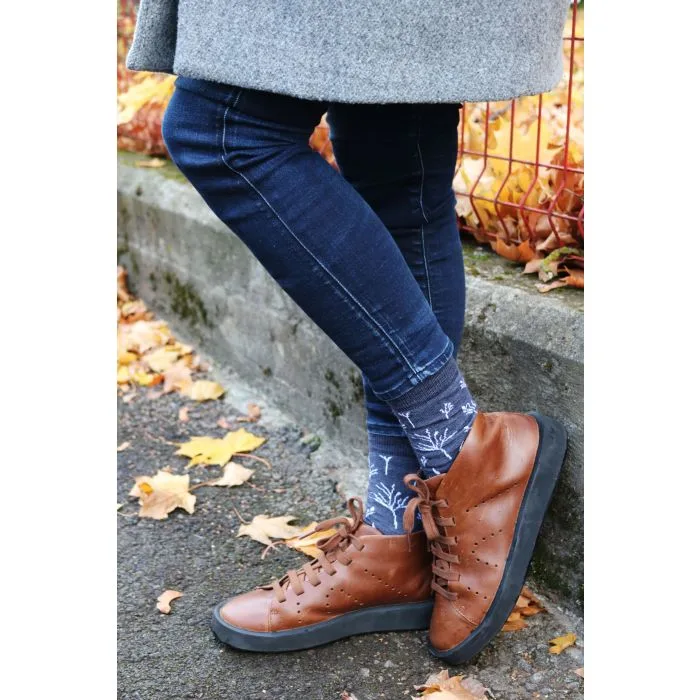
62. The design at the ankle or side of the sock is called a clock. The term “clock” has been used to refer to the design at the ankle for many years. However, the origin behind the name is uncertain.
63. Your socks soak about a liter of sweat daily. One of the many functions of socks is to prevent our shoes from getting soaked, as each foot produces about half a liter of sweat daily.
Sock tips and tricks: Sock Etiquette for Beginners and should men wear stockings? Is it normal to sleep with socks? Socks that helpful with diabetics
64. You might want to put a pantyhose in your beach bag. Wearing pantyhose or any leg covering can help prevent Jellyfish’s sting since some jellyfish have short stingers. P.s,Pantyhose is not totally dependable.
65. Want to look sexy? If you want to look sexy, maybe you should try a stockings. According to many, hosiery has a crazy sex appeal. It attenuates the calves and shows some skin above the knee.
67. Stockings for women, socks for men. Although knee stockings were worn by the wealthy to show off wealth in the 19th century, things started to change in the 20th century. Trousers became longer for men and skirts shorter for women. Hence, men’s socks shrunk to ankle height, while women started to wear stockings to cover their legs.
68. Warm, well-fitting socks can prevent frostbites. Frostbites happen in freezing conditions, and wearing socks might chase them away. For instance, cashmere socks create great warmth for those who wear them and are great at combatting cold feet.
69. Socks can help diabetic people. Those with diabetes need well-fitting socks,especially diabetes socks. Increased blood sugar often damages a patient’s circulatory and nervous systems. Diabetic people with nerve damage might have reduced sensation in their feet and are more prone to injury; wearing diabetes socks helps prevent these injuries.
70. There is a day for socks. In the United States, there is a day for socks,national socks day. And it’s on December 4.
71. Heard of leg warmers? Leg warmers are a form of hosiery used to keep the legs warm. And yes, just the legs. The hosiery doesn’t cover the foot and spans from the ankles to the knee/calf.
72. Heard of sock etiquette? British customs come with a particular set of rules for wearing socks. For instance, formal attire (white or black tie) requires plain colored socks as opposed to patterned and striped ones. More lax fashion choices are for bowties. Avoid socks that are ripped and have holes in them. Also, sports socks shouldn’t be worn on business wear. And there are also rules as regards color shades.
73. Pantyhose or panti-legs? Pantyhoses swung by in 1959, but it wasn’t till the 1960s that they became famous. A pantyhose is basically underwear and hosiery coming together. At creation, pantyhose was called panti-legs.
74. Maybe You should sleep with Your socks on. Experts believe wearing fluffy bed socks to bed at night improves sleep quality. This happens because it gives extra warmth and allows healthy blood flow.
75. If You can’t tell they are wearing socks, they are probably wearing no-show socks. Although some people wear socks to be noticed, some don’t. Those who don’t probably wear no-show socks. No-Show socks are socks that only cover the feet and don’t reach the ankles, so they are usually not visible when worn with shoes.
76. Socks or gloves? A toe sock had a queer appearance; it made toes look like little fingers. The toe socks encase each toe individually as gloves do with fingers,it is like a combination of a sock and glove. It is a weird-looking sock, but it has fans.
77. Datang, China produces 8 billion pairs of socks yearly. China is the largest producer of socks globally, and one of the reasons for that is Datang. Datang is a district in the People’s Republic of China that produces more than a third of the world’s sock population.
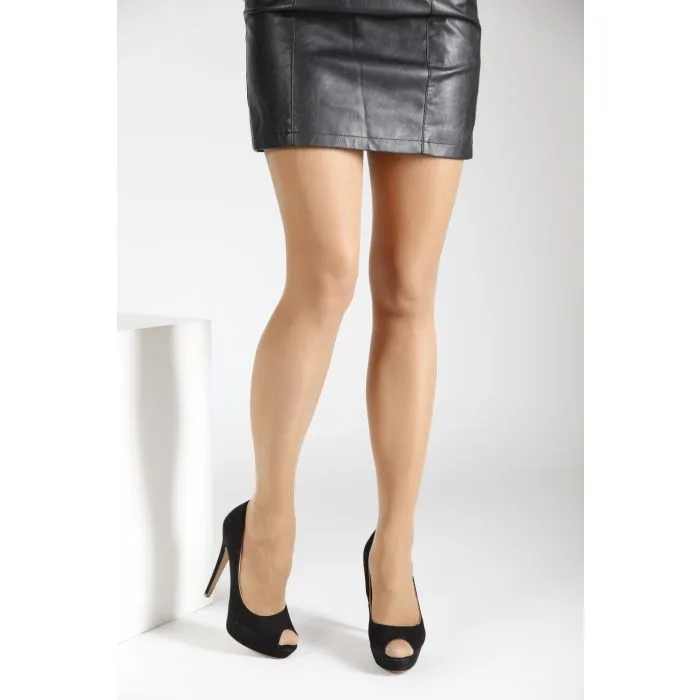
78. The first nylon stockings were worn by Dupont employees. Dr. Wallace Carothers of DuPont discovered nylon in 1939, and shortly after, nylon stockings were made. After the stockings were manufactured, the first women to try out the stockings were DuPont employees.
Sock Capital of the world: The largest socks collection and the biggest hosiery importer. What are leg warmers used for? Who wore stockings first?
79. Guess the sock capital of the world? The USA is one of the top producers of socks because of the city of Fort Payne, Alabama. Fort Payne, Alabama, is nicknamed the Official Sock Capital of the World because it produced nearly half of the socks in the early 21st century.
80. Germany imports the most hosiery. As of 2020, Germany was the leader in most hosiery imported by a country,importing over 60,000 tons. On the other hand, many of the socks Germany imported were from USA and China, respectively.
81. Hosiery was dyed bright colors to signifies lineages. Between the 16th,17th centuries, hosiery was dyed into different colors to signify lineages and where certain people came from in Europe.
82. Most hosiery was red. In the time of William Lee, inventor of the knitting machine, most hosiery was red. However, several other colors were yellow, green, and blue.
83. Queen Elizabeth and the colors of hose. Before Queen Elizabeth, multicolored socks were the trend. But at the time of her reign, there was a shift in the trend, and the hose’s color was primarily solid.
84. Who owns the largest collection of socks? The most extensive collection of socks is 660 pairs. This record was set by Ashan Fernando (USA.)
85. When was the first pair of nylon sock invented? Dr. Wallace Carothers discovered nylon in 1939. After the discovery, manufacturing the first pair of nylon stockings was followed shortly after by the Union Hosiery Company for Du Pont in 1939.
86. Remember when four million stocking socks were sold in four days? After a test sale by DuPont, which turned out nicely, they decided to host a public sale. The first public sale of nylon stockings in May 1940 led to about 4 million pairs being sold in four days. It was fascinating!
87. Queen Elizabeth I, was the first well-known woman to wear stockings. In 1560, Queen Elizabeth I was the first woman icon to wear the stocking. It was natural then that when an outstanding invention was made, the royals were the first to try them out. Queen Elizabeth loved how the silk stocking felt and has worn it since then.
88. Do you know why women wore stocking? Way into the past, before wearing stockings was the fashion trend, bare legs were considered inappropriate, and stockings were the most suitable way to cover it up.
89. Stockings didn’t always have elastic band. Before the stretchy, elastic stocking came along, stockings were typically made of wool and silk. Based on what stockings were made of, it wasn’t stretchy, so women had to use garter belts to hold their stockings in place.
90. Leg warmers are worn by classic dancers. Leg warmers are often used as dancewear. Dancers wore it to keep their legs warm. The hosiery also helps prevent cramping and injuries.
91. Hoses were once worn exclusively by Europe noblemen. At first, hoses were worn primarily by European noblemen. And the hose’s purpose was purely functional. These noblemen often wore hoses for better mobility while riding a horse.
92. Loose socks are a big part of a culture. Loose socks are baggy socks often worn by Japanese school girls, a s a part of the kogal culture. The sock is, however, becoming popular among American teens who are fans of animes.
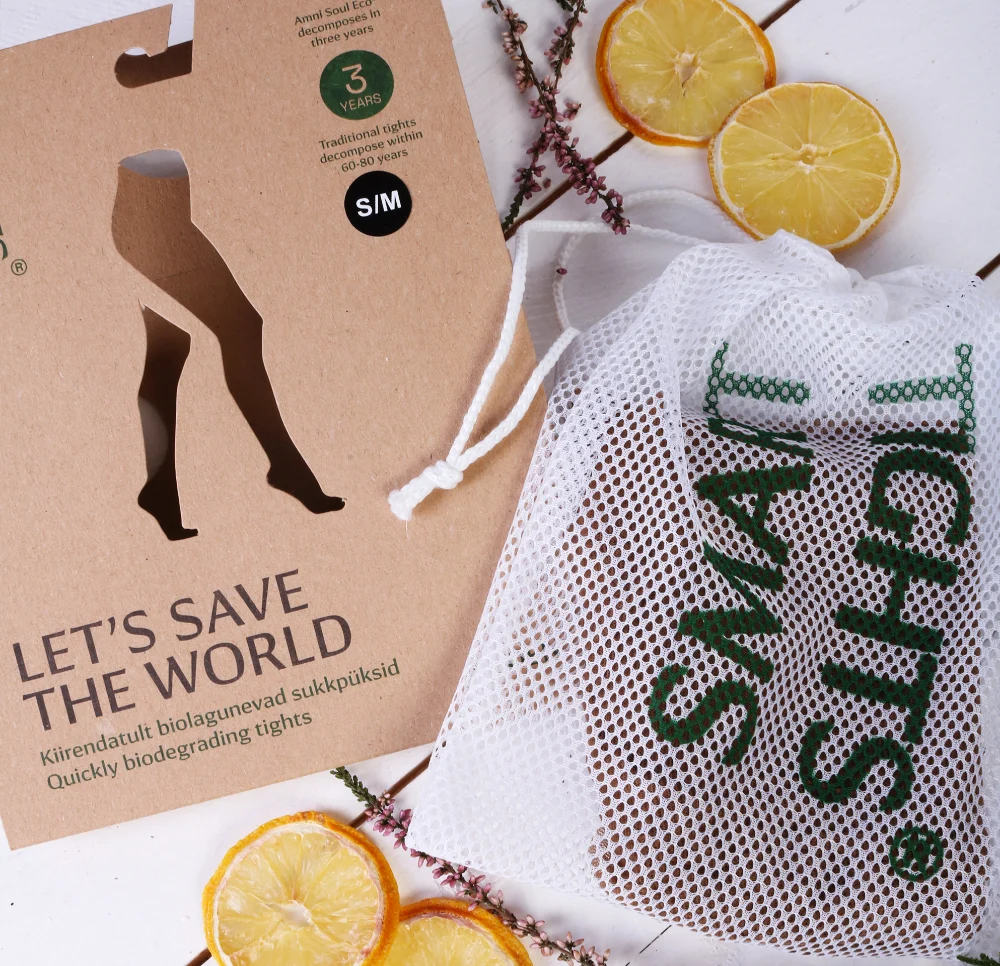
93. Are pantyhose good for the environment? Some people don’t like pantyhose because they are not precisely environmentally good. Since pantyhose are made of nylon, they are not biodegradable and can’t be recycled. Disposing of them could cause landfills.
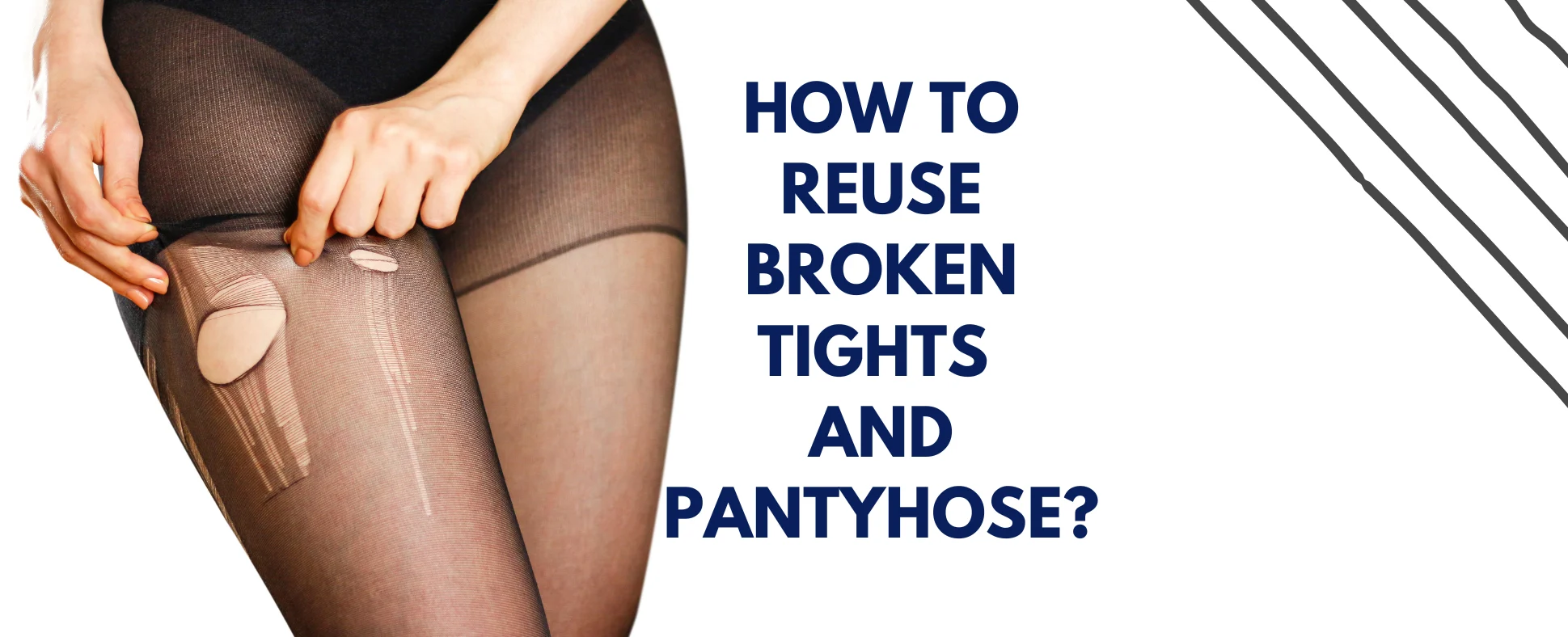
94. Old pantyhose can make a good sponge. If you have ever touched pantyhose, you will notice their soft texture. This smooth texture makes it a good choice for cleaning. You can make a sponge out of your old pantyhose to wash your pots and pans.
95. Sheer tights are also known as pantyhose. Hosiery often has different names. For example, hosiery with more than one name is the pantyhose. Another name for pantyhose is sheer tights. They are often used interchangeably, but pantyhose is the more widely accepted choice.
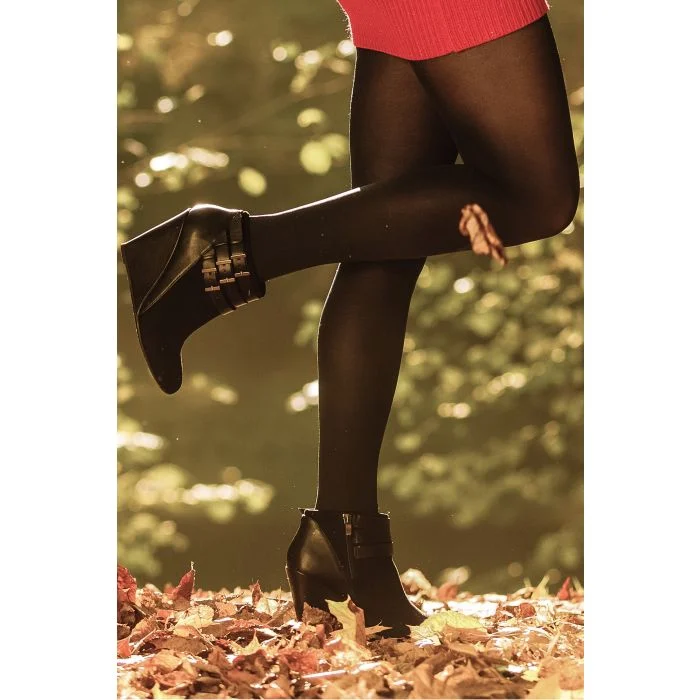
96. Pantyhose’s fetishism is a thing. Ever been spoken down on because you used a pantyhose as outerwear? It is a pretty common thing. However, do you know some people get excited from wearing underwear like pantyhose, and some get sexually excited from sniffing, observing, or handling it? It is called pantyhose’s fetishism.
97. Trousers and bare leg trends reduced the sales of pantyhoses. The increased popularity of the bare-leg trend and trousers in the women’s fashion world caused a decline in pantyhose sales in the late 20th and early 21st century.
Pantywhose: Who is the sock police? Should men wear pantyhose? What does denier mean?
98. Some men wear pantyhose. You probably didn’t see this coming, or did you? Pantyhose isn’t limited to women. Some men wear it for therapeutic relief, thermal protection, or simply as a lifestyle choice.
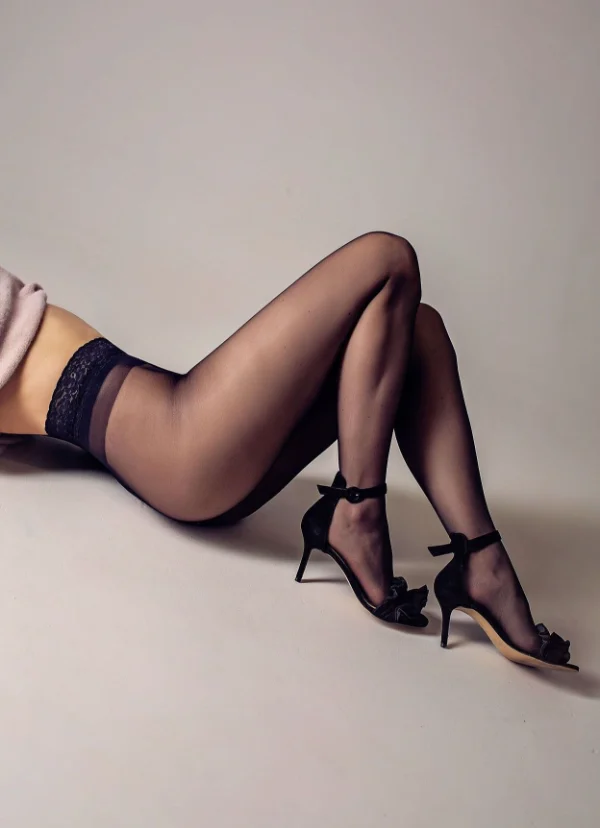
99. Guess what pantyhose is made of? Most pantyhose are made up of nylon and spandex. Both materials give the modern pantyhose the elasticity and fit it is known for.
100. Pantyhose might not be completely hygienic. Unlike other hosiery socks made with cotton and absorbent materials, pantyhose are made with nylon. Unfortunately, nylon isn’t as absorbent. Hence, body sweets remain on the skin and could promote bacteria growth.
101. When did stockings stop having seams? In the 1960s, circular knitting machines were in operation, and by the mid-1960s, seamless stockings had dominated the market.
102. The sheerness of pantyhoses is expressed in Denier. A pantyhose sheerness is measured in numerical denier. From 3 (very thin) to 250 (opaque.)
103. Socks help prevent bacteria growth. Bacteria love moisture, and our feet are one of the producers of sweat. Most socks are made of very absorbent materials, which helps them absorb the moisture of feet produce. Since the socks help remove moisture, they also help prevent bacteria growth.
104. Fort Payne sock industry employed over 7000 workers. If you ever chanced to enter a time machine and return to the 1990s, you would probably find Fort Payne at peak socks production. However, this wouldn’t have happened if not for the 7000+ workers manufacturing socks at each of the mills in the city at the time.
105. How many socks does an average American own? You might not believe it, but socks are significant parts of an American wardrobe. Some people have to wear them to work, while others like to have them on the bed at night. However, on average, it is estimated that Americans own about 10 to 20 pairs of socks.
106. Lost socks cost many people several hundred dollars. This is imminent! The more we do our laundry, the more likely we get a sock loner. This is often a sad occurrence. But even more, experts say lost socks cost many families about $300.
107. There is a lost socks memorial day. In the UK, there is a day devoted to lost socks. It is on May 4, and on this day, Brits wear mismatched socks to fallen sock-comrades.
108. Pirates wore socks. The sea is cold, and the temperature can drop to freezing at night. Naturally, seamen often wore socks, but so did Pirates. The socks they wore were woolen stockings, though, as they were the best at combatting cold.
109. London had socks police. I bet you haven’t thought of sock police before, but they exist. In the 1500s, London took how people wore socks quite seriously. London set laws to ensure people wore the right socks and had the sock police enforce them. You couldn’t wear sunflower yellow or bright orange socks in those days.
110. Stockings used to be made with woven cloth. Before the 1590s, stockings were made with woven clothes. This was way before other materials became familiar and more affordable options.
111. The thickness of stockings is measured in Denier. Like pantyhose, the thickness of stockings is also measured in denier. The thinner the stocking, the lower the denier, and vice versa.
112. Heard of Rockford socks? Rockford socks were made by the Nelson Knitting Company in the 1930s. They were popular in that era because of their quality. And since they were made of wool, they were an excellent choice for winter.
113. Sock monkeys were made from Rockford socks. Rockford socks were associated with sock monkeys, and that was because the first sock monkeys were made with socks. The monkeys were exceptionally popular in the mid-20th century and have remained so ever since.
114. The price of leggings has dropped. The price of leggings has dropped in the last few years. For example, in 2014, leggings sold for about $50; now, they sell for about $20. The reason is unclear, but the guess is that other hosiery is up in the market at much more affordable prices.
115. The first knitting machines were for stockings. William Lee, the monk who made the first knitting machine, did so to produce stockings. Stocking knitting by hand took time and was slow. The knitting machine by William Lee made it faster to knit wool stockings.
116. Queen Elizabeth didn’t give William Lee a patent for his invention. Queen Elizabeth refused to give William Lee a patent for his knitting machine invention. She didn’t like the coarse feel of the stockings the machine made, and she was scared the machine would strip her people of their jobs.
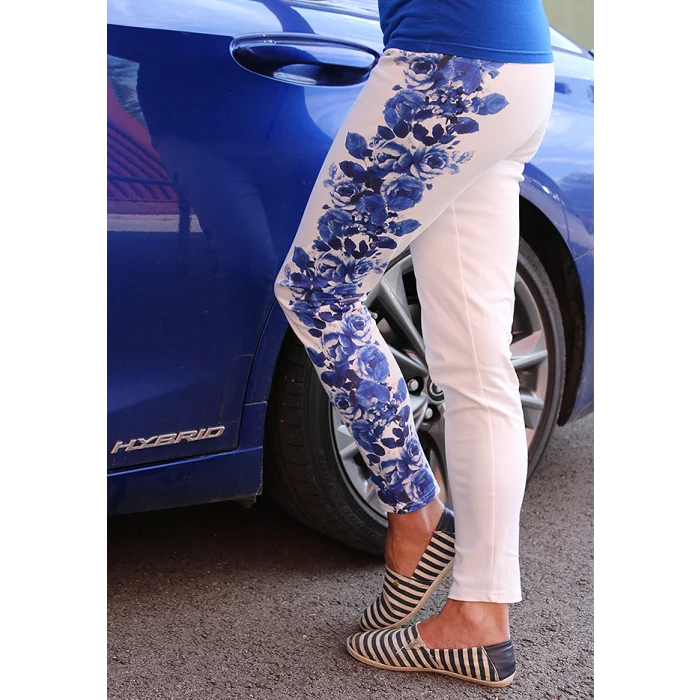
The popularity of Leggings: Military and Cowboys wearing leggings. Do men wear leggings?
117. Leggings were once two separate garment. Leggings weren’t always worn as one garment. They were once worn separately,one on each leg. And they were worn mainly by men before the 20th century.
118. Americans spend a lot on leggings. Americans spend a lot on leggings. As of 2016, Americans spent $16 billion on yoga leggings, equipment, and accessories which led to significant growth in the hosiery market size.
119. Cowboys wore leggings. One of the functions of leggings is to serve as protection, especially the ones worn by cowboys. The leggings cowboys wore were made from buckskin, which they wore to prevent chafing from rigorous riding.
120. Leggings were a thing in the military till the 1960s. Before the 1960s, leggings were worn by all those in the Military. However, by the 1960s, combat boots replaced old field boots, and soldiers stopped wearing leggings.
121. Leggings used to be unisex. Although leggings are predominantly worn by the female population, men used to wear them as well. They were worn to war and for riding. Men even wore the earliest form of leggings, “hose,” and back in the 19th and 20th centuries, both men and women wore leggings.
122. Leggings are still widely worn by men in some countries. In colder countries like Russia and Korea, men and women still wear leggings in this modern time. They are typically worn as additional clothing to keep them warm in their climate.
123. Nylon-lycra blend leggings are made with nylon and lycra. Nylon has been a big part of manufacturing leggings since its debut in 1939. Some stylish leggings are made of 90% nylon and 10% lycra.
124. Nylon-lycra leggings are also called bicycle or running tights. Nylon-Lycra leggings are also called bicycle or running tights. There were mainly used outdoors and were usually aesthetic. Plus, they are shinier than those made from cotton.
125. Leggings used to outsell jeans. In the early 1990s, Leggings outsold jeans in many states in the USA,through the reign didn’t last long.
126. Jeans rose against leggings. Although leggings dominated the earlier years in the 1990s, jeans started to get their customers back in the late 1990s and early 2000s. But, first, we had skinny jeans, which became a favorite fast, leaving leggings behind.
127. Leggings were often worn with athletic shorts. Especially in the colder regions, leggings serve as supplemental clothing for athletes. In addition, athletes often wear leggings with their shorts since it helps increase blood flow so more oxygen can reach the muscles.
128. Heard of meggings? Meggings, a blend of “men” and “leggings,” is what men’s leggings are called. It is a fancy name for leggings men wear and not an actual word. It is often used by men who work out.
129. Shiny or leather-look leggings? Shiny leggings are also known as leather-like leggings. It became popular in the late 2000s. The leggings had a shiny, wet-like appearance.
130. Is leggings a standalone cloth or an accessory? In 2016, glamour magazine made a poll on if leggings should be worn as an accessory or not. And when the results were turnover, 61% of people said it was more of an accessory than a cloth.
131. There were instances of banning leggings. Although the cloth wasn’t banned entirely, owners can’t wear it alone (as outerwear.) In 2013, a school in Sonoma County, California, banned leggings as outerwear. Several schools in other states also did the same.
132. What’s a jeggings? Jeggings are leggings made to look like skin-tight denim jeans. It appeared when the demand for tighter clothes was on the rise.
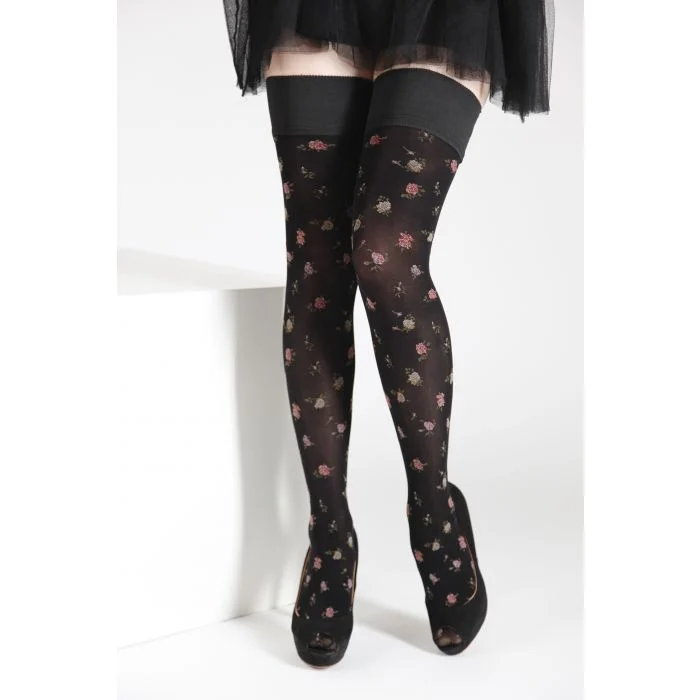
133. Leggings used to only cover just the legs. Initially, leggings didn’t cover the lower torso; they were two separate pieces with no elastic fiber. However, as the 1960s drew nearer, that changed.
134. Hold-ups are preferred over pantyhose in North America. Stockings are perceived to be more sexually attractive and more aesthetically pleasing than pantyhose.
Hosiery and nylon: What is nylon? What are football stockings made of? What does RHT stand for?
135. Hosiery was once called nylon. In the 1940s, nylon stockings were growing in popularity. And nylon stockings were referred to as nylon.
136. Garter or suspender belts are used to hold up stockings. Stockings are held up by garter or suspender belts used to hold up the stockings.
137. Football stockings are made with cotton. Stockings are typically made from cotton or other durable, thick, synthetic fabrics. Football stockings often reach the knee.
138. Thigh-highs, stay ups, or hold ups. You can call them thigh-highs, stay-ups, or hold-ups. Thigh-high is what it is called in the USA. Plus, thigh-highs are stockings sewn with elastic bands.
139. RHT. RHT means reinforced heels and toes. The heels and toes are the places with the most stress, and that’s where RHT comes in. The heels and toe sections of the socks are reinforced to combat the stress.
140. Thigh-highs might be better than pantyhose as regards hygiene. Unlike pantyhose, Thigh-highs reduce bacterial growth around the groins due to humidity and warmth.
141. Thigh-highs’ thickness are measured in Denier. Like pantyhose and stockings, thigh-high thickness is measured in denier. Therefore, the smaller the denier, the thinner the thigh-high socks.
142. Over 8 Billion tights are produced annually. Over 8 billion tights are produced each year. Also, these numbers have not been fair to the environment too. Over a million tights are discarded yearly, making the textile industry the second leading cause of environmental pollution.
143. Pantyhose and tights aren’t so different. The difference between pantyhose and tights is based on the weight of the material used and the thickness of both hosiery. The thin tights (or sheer tights) are often referred to as pantyhose.
144. Left or right? Are there right or left socks? Well, no, there isn’t. Socks are manufactured the same, so either sock in the pair would fit either right or left foot. However, there is a sock type with right and left; it is the toe socks.
145. There are thick and thin tights. You can pick two options for tights; thin or thick. The thin ones are called sheer, and the thicker ones are called opaque. The sheer tights are called pantyhose by Americans.
146. Tights were made a long time ago. Contrary to what many might think, tights aren’t post-war inventions like some hosiery. Although it is fair to think so since tights didn’t become popular until after the war. Men have been wearing tights as far back as the 15th century.
147. Hosiery first appeared in Egypt. The first record of hosiery appeared in Egypt. The hosiery was a split-toe sock, which is said to be the oldest of its kind.
148. Are socks 100% cotton? Cotton is excellent for making socks; however, they are not stretchy. Hence, to make the socks we wear now, you will need cotton and elastane (or spandex.) Spandex makes socks a better fit for ankles and lasts longer due to stretching resistance.
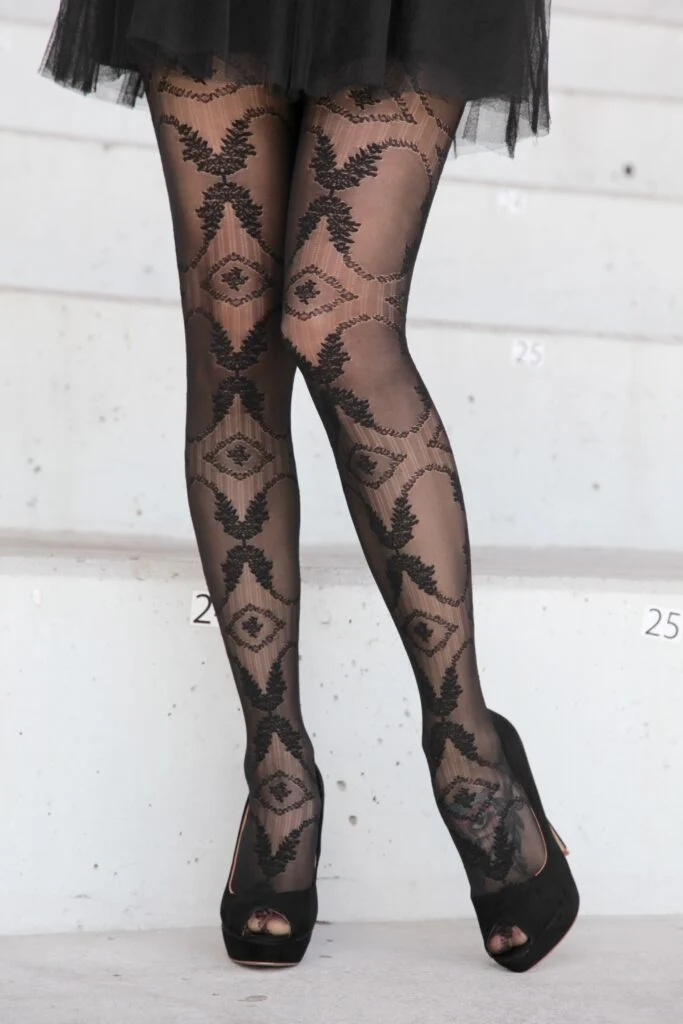
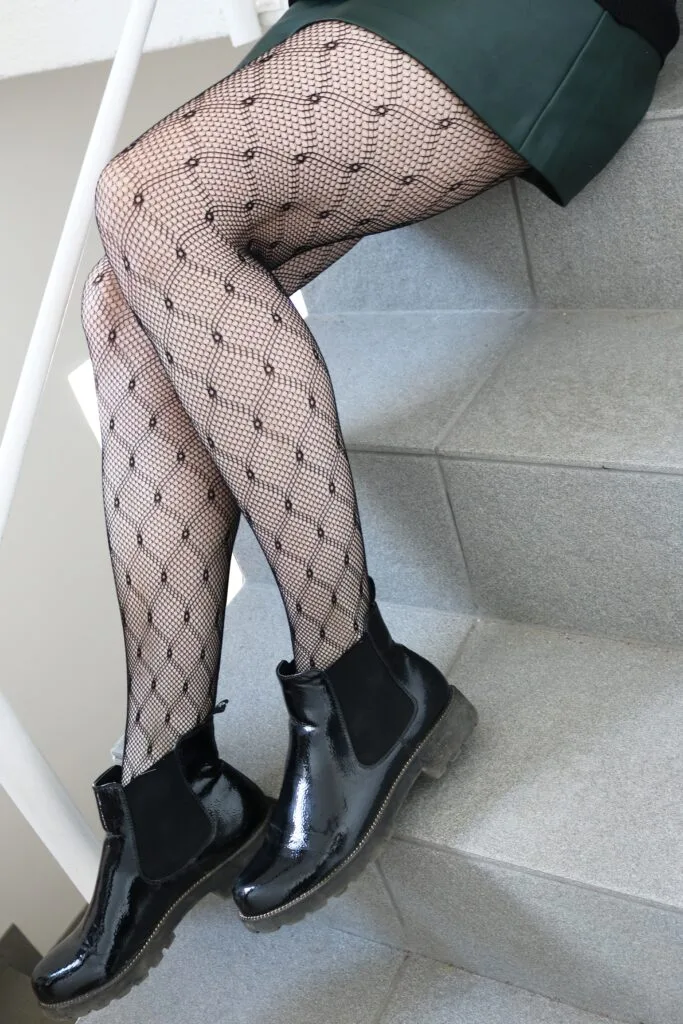
149. The fishnet hosiery looks like a fishnet. Fishnet hosiery is fashioned to resemble a fishnet with spaced diamonds it has. It is very revealing. There are several fishnet hosieries like fishnet stockings, tights, and leggings.
150. Sales of stockings have halved since 2002. The sales of stockings have gone on a decline since 2002 in Britain. This can be attributed to the mass production of pantyhose and thigh-high socks.
151. How many socks are sold yearly? As of March 2019, it was estimated that about 21 million pairs of socks would be sold that year. The United States was the lead of countries buying the most socks.
152. Hanes is the brand that sells the most socks. Hanes is the leading socks brand in the United States based on sales value. As of 2016, Hanes made about 199.1 million dollars in sales value, following closely behind Fruit of The Loom with over 187.8 million dollars in sales.
153. An average German owns 24 pairs of socks. In Germany, men and women can own an average of 24 socks, with many surpassing that number. They buy a lot of socks yearly.
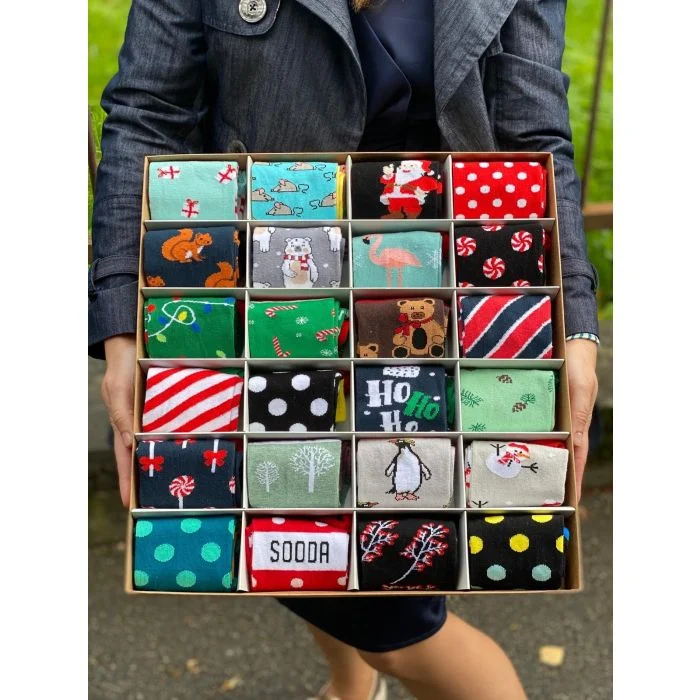
Argycle socks: What is Argyle and where does it come from? Which socks to choose for golfing?
154. Argyle socks firsts appeared in Argyllshire, West Scotland. Although there are ongoing debates about when Argyle socks first appeared, Argyllshire is still the place many experts agree on.
155. The first Argyle socks might have appeared as far back as the 16th century. The first Argyle socks were designed by a Scottish clansman from the 16th century.
156. Argyle socks became mass produced at the end of the 18th century. Argyle knitting pattern blew up, and by the late 18th century, it was getting mass-produced. Presently, there are over a million designs to pick from.
157. Do you know how big the sock industry is? Although socks look small and unimportant, they pull much money from the global market. In 2020, the global socks market size was about 43 billion US dollars and was projected to keep increasing in the coming years.
158. Think golf, think Argyle sick. Although golfers of this age are seen wearing all kinds of socks, it wasn’t always like that. In the 1920s, golfers were often associated with the Argyle socks. It became like the golfers’ “trademark”,like a part of a uniform. And even in this century, there are still some instances of golfers wearing Argyle socks.
159. Duke of Windsor made diamond patterned Argyle socks famous. A British monarch, the Duke of Windsor, helped make diamond-patterned socks acceptable wears of people in the upper and middle classes in his time.
160. K-Pop idols wear leggings. If you like k-pop stars, you might have noticed that leggings are a big part of their fashion. This has been like this since the 2010s, and it doesn’t seem like it will change anytime soon.
161. Knee-high socks are majorly for warmth. Knee-high socks are majorly for warmth; however, they are often part of uniforms in certain professions.
162. Over the calf socks are also called executive socks. Over the calf socks stop right below the knees. They are great picks in the sports industry. They serve as protection and rigorous physical activity.
163. Crew socks are worn for running and hiking. Crew socks are nice sock options for coverage and protection.
164. Scottish men and women wear thigh-high socks. Although people from different nationalities wear thigh-highs, the Scots wear them more. This is because, in Scotland, women and men wear socks, and they both wear thigh-high socks along with their skirts.
165. Heard of Mut Socks? Mut or Toe covers are types of socks that cover only the toes. The Mut socks are not widespread, but they are considered a favorite by a few. Plus, there are several footwear that goes well with the socks.
166. Crew socks are the most common. Do you know that socks that people wear that stop at the middle of their calves? That’s a crew sock. It is also sometimes called a mid-calf sock and is mostly made of cotton. Among all of the sock-length types, crew socks take the first position in popularity.
167. Some socks can help reduce shoe odor. As technology advances, so does the ability to make better socks. On that note, some socks are specifically made to reduce shoe odor and significantly reduce bacteria growth.
168. In the 1940s and 1950s, Argyle socks became so popular. After World War 2, Argyle socks increased in popularity and not only among golf players.
169. In the 1930s, socks with Argyle pattern ruled men fashion. Although by the 1930s, the argyle socks had already been around for a while, it wasn’t until the 1930s that they became a big part of men’s fashion.
170. Men used to match their sock garters with suspenders. Although nobody could see the suspenders or sock garters, men of those days often liked to match both.
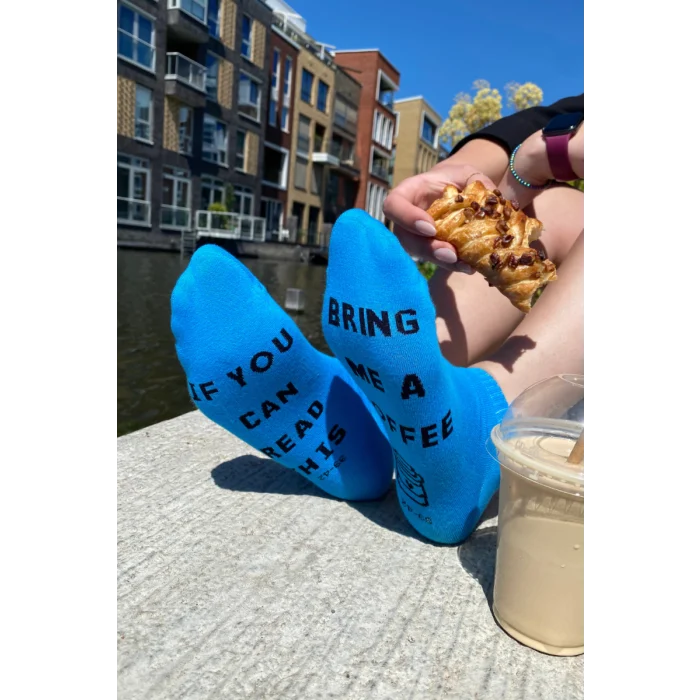
171. Since 1995, women’s hosiery sales have dipped, while men’s hosiery sales sailed. After 1995, women’s hosiery sales dipped by about 70 percent while men’s hosiery sales steadily increased.
172. 82% of young men wear odd socks at least once a week. A survey shows that the phenomenon of losing a sock in a pair has led to many young men leaving their homes with mismatched socks at least once a week.
Choosing socks: Which sock colour is the most popular? Are wool socks better for hiking? What are compression socks and are they good for you?
173. Vintage nylon socks are highly sought after. Despite several other new styles today, vintage nylon socks are still highly sought after. But I guess nothing beats a vintage that’s really “vintage.”
174. Some fishermen wear tights to prevent jellyfish attack. It is not clear how proficient a tight is at preventing jellyfish stings, but it is known to help those who get into the water with them.
175. In 1922, a tomb was opened, and along with gold and other precious stones were linen socks. In 1922, Howard Carter and his team discovered and opened Tutankhamun’s tomb. Along with the gold and precious stones, they found linen socks.
176. Most socks were black or gray in the early 20th century. In the earlier part of the 30th century, most socks were black because they often didn’t show dirt. And due to the conditions then, they were preferred.
177. Types of socks fluctuate with season. During summer, shorter socks made from lighter materials are preferred. In contrast, thicker and longer socks are the preferred option during the winter season.
178. No-show socks are also called loafer socks. No-Shows, also known as loafer socks or shoe liners, are typically worn during summer and, as the name implies, don’t show above the shoe line.
179. Wool socks were the go-to options for explorers and mountaineers. Due to extreme weather conditions, wool socks are often chosen over other types of socks during exploration and mountaineering.
180. When George Mallory’s body was found on everest, he had three wool socks on. While mountaineering, George Mallory died on Mount Everest. The body of George was found 75 years after he disappeared in 1924. When his body was found, he still had wool socks on at the time of his death.
181. Part of the debris recovered from the RMS Titanic was a suitcase with socks. The Titanic sank in April 1912 and took a lot of lives with it. However, since the tragedy, several recoverable items have been recovered, including a suitcase with silk socks. At the time, silk socks were priced possessions.
182. Socks weren’t always elastic. Socks were not like they are now. They weren’t elastic; hence, for men to properly wear socks, they had to use socks garters.
183. Compression socks might be good for your health. Compression socks increase blood circulation, energize the feet and legs, and speed muscle recovery.
Taking care of your socks: How to choose the right socks? Which size socks should I take? Can I gift socks?
184. Choose the right length. Although socks look like a small part of your outfit, they control a big part of your appearance. Every dress requires a particular sock length. The rule of thumb is you don’t want to be wearing low-cut socks with high-top sneakers like Air Jordan 1 and Dunk High.
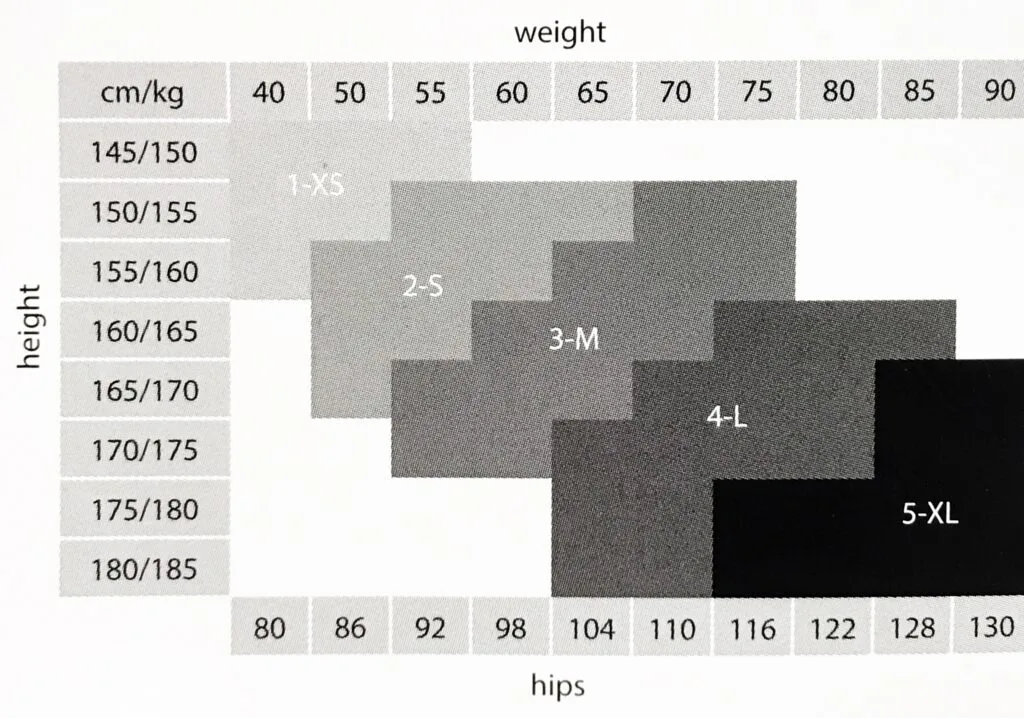
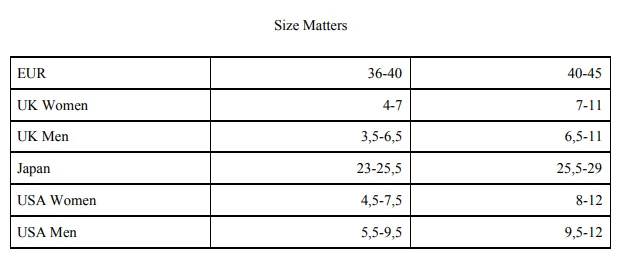
185. Considered Sock Sizes? The importance of sock sizes can’t be overstated. Buying a size too small or too big puts your comfort at risk.
186. Be attentive to the sock’s material. A wide variety of materials is used to make socks . The proper size and height aren’t the only factors to consider when buying socks. Choosing the right socks material is often dependent on the season and activity. For instance, wool and thin socks for cold and warm weather, respectively. Depending on the activity, you might consider cotton or performance socks.
187. When unsure, pick white or black socks. Often people opt for multicolored and themed socks and end up looking silly. If you are unsure or are probably overthinking, play safe with white or black stockings. The typical rule is white is more casual, and black is formal. Again, however, it boils down to preference.
188. Don’t ignore colorful socks. Although white and black socks are great picks, it doesn’t ultimately strike out using colorful socks. So if you love to rock your colors, go for it! But make sure you find the balance.
189. You probably shouldn’t mix brands. Wearing Adidas socks with Nike shoes and vice versa takes the sacredness from it. This probably sounds minor, but it is critical over here. However, it is still your choice to make after all.
190. Buy Your socks at the right place. You want to have access to affordable socks on the go. To be able to pick great brands and the right choices, you should visit sokisahtel.net. They have all you need and a lot more.
191. Don’t bleach Your socks. Washing is essential to keep your socks and other hosiery in an excellent state; however, bleaching isn’t. On the contrary, bleaching your hosieries can destroy it. Hence, if your hosiery is very dirty, avoid soaking it in detergent.
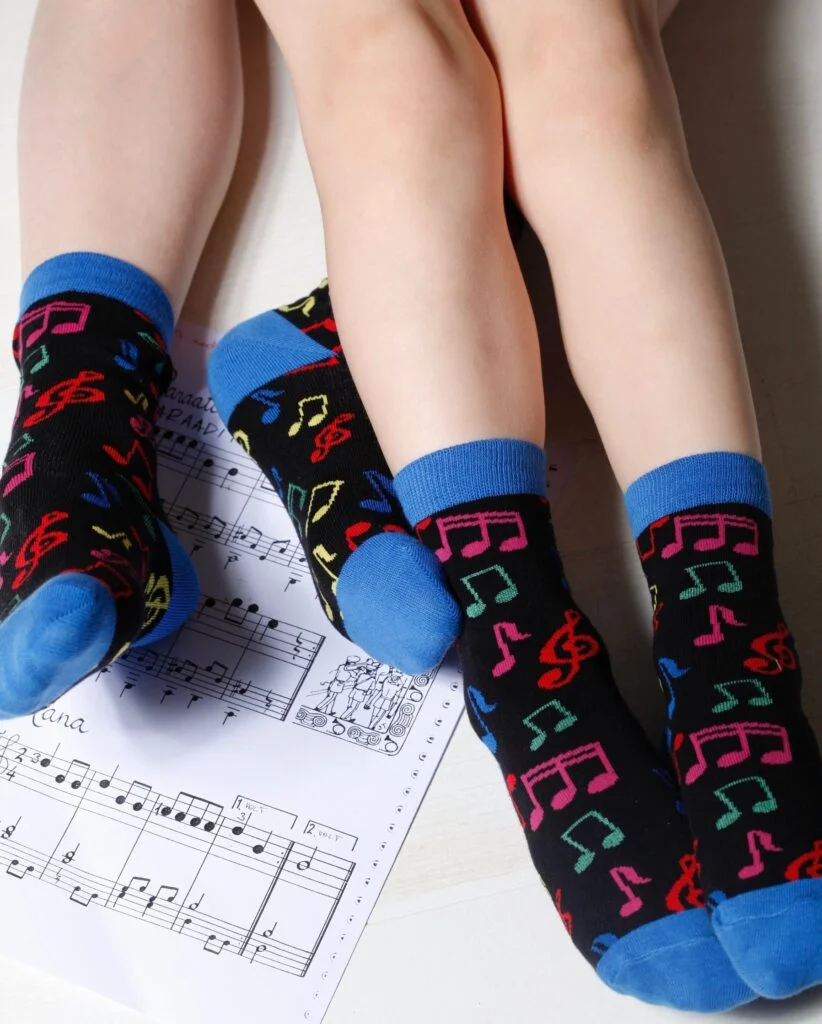
192. Socks make for good gifts. Yes, you read “gifts.” Socks are great gifts. If it is a family member or a close friend, socks are great additions to your gift box for them. You can get them different colors, lengths, and ceremonial picks. Unsure how to even begin packing the socks’ gift box? Check this father’s day sock gifting idea for inspiration.
What to do with old or single socks? DIY Sock Crafts
193. You can use hosiery as a laundry bag. You can use your knee-highs as laundry bags in the washing machine. Put your delicate clothes in the knee-high and put them in the washing machine, so they are cleaned and not ruined.
194. You can use old pantyhose to get rid of the shoe smell. Before you toss out your old pantyhose, you can cut the bottom leg section and put it in baking soda or cat litter, then put it in your smelling shoes. This mix often absorbs the moisture of the shoe and removes the smell.
195. You can shine your boots with old socks. Old socks work better than many regular sponges when you want that beautiful shoeshine. Learn more about what you can use old socks to do.
196. You can wash small toys with old pantyhose. It might be hard to wash toys separately. However, using old pantyhose can help. Put all the toys into the pantyhose, then put them in the machine. This way, the toys stay together and are very clean.
197. Use old single socks to create a stress ball. Use the lonely sock to make a stress ball if losing the other pair to it is making you anxious. Place play dough simply into a sandwich bag and into the sock. It will give you rapid tension relief.
198. Use a mismatched sock in place of your dusting stick. On furnishings such as furniture, tables, blinds, and appliances, it will collect dust, hair, and filth. Additionally, you may reuse it by washing it after you’re done using it.
199. Bamboo Requires 10% Less Land Than Cotton to Grow
It is particularly environmentally beneficial to grow, process, and use bamboo. Bamboo may be grown on the same amount of land as cotton, but requires 10% less space.
200. Most hosieries aren’t biodegradable. Nature and hosiery might not be good friends since the materials used to make most hosiery can’t be broken down by nature. On that note, recycling hosiery is often advised rather than throwing them out.